Termites are one of the few household pests in Australia that can quietly cause serious structural damage. This guide explains pest control termite in plain English, so Australian homeowners and property managers know what to look for, what actions matter, and what to expect from an inspection or treatment.
What does pest control termite actually mean?
Pest control termite simply means finding termites, stopping the active colony from feeding, and reducing the chance they come back. It is not just “spraying bugs”; it is a targeted process based on the termite species, where they are travelling, and what they are eating.
In Australia, it usually involves an inspection first, then a treatment plan, then ongoing monitoring.
Why are termites such a big deal in Australian homes?
Termites eat cellulose, which is found in timber and many building products that include paper or wood fibre. In many Australian regions, conditions like warm weather, subfloor humidity, and garden irrigation can make termite activity more likely.
The issue is speed and silence. Termites can damage framing, skirting, architraves, flooring, and roof timbers while leaving the surface looking mostly fine.
How can they tell if termites are active or old damage?
A good inspection separates “active termites” from “historical damage” and from other issues like borers or moisture rot. Active termites may be confirmed through live insects, fresh mudding, or current workings in timber.
Older damage often looks dry, dusty, and abandoned. For pest control termite, that distinction matters because the response for active activity is urgent, while old damage may call for prevention and repairs.
What are the most common termite warning signs around the house?
The most common signs are subtle, especially early on. Mud tubes on brickwork, piers, or walls are a classic clue, along with soft or hollow-sounding timber.
They may also see doors that suddenly stick, bubbling paint, fine cracks in skirting boards, or small pellets and debris near damaged wood. In many cases, the first “sign” is found during a routine inspection rather than by the homeowner.
Where do termites usually get in?
Termites often enter from the soil and travel through concealed paths to stay humid and protected. Common entry points include cracks in slabs, construction joints, pipe penetrations, and behind weep holes if bridged.
They also use concealed routes such as garden beds against walls, timber touching soil, or cluttered subfloors. Effective pest control termite looks for these access points, not just the visible damage.
What is the difference between subterranean and drywood termites?
Subterranean termites are the main concern in most parts of Australia, including coastal and many metropolitan areas. They live in the ground and move into buildings to feed, often using mud leads or hidden pathways.
Drywood termites live inside timber and do not need soil contact, but they are less common in many areas. The type matters because pest control termite methods change depending on how the colony lives and spreads.
What happens during a termite inspection in Australia?
A termite inspection usually includes checking the interior, exterior, roof void where accessible, subfloor where accessible, and any attached structures like garages or decks. Inspectors look for moisture issues, timber-to-soil contact, and signs of termite workings.
They may use tools such as moisture meters and sounding tools, and sometimes thermal or borescope equipment where appropriate. The output is typically a written report and a recommended action plan.
What treatments do they normally use for termite control?
Australian termite treatments commonly include baiting systems, liquid termiticides, dusting in specific scenarios, and physical or chemical barriers. The best method depends on the type of construction and whether they are dealing with active termites or prevention.
For pest control termite, the goal is either colony elimination (often via baits) or creating a treated zone that termites cannot cross without being affected (often via liquids).
How does termite baiting work in plain English?
Baiting uses stations placed in the ground or near activity to attract termites to a food source that contains a slow-acting ingredient. The termites share it throughout the colony, which can reduce or eliminate the nest over time.
It is not instant, and it requires monitoring and re-baiting schedules. Many Australian properties use baiting as part of a broader pest control termite plan, especially where full perimeter treatment is difficult.
What is a chemical barrier and when do they use it?
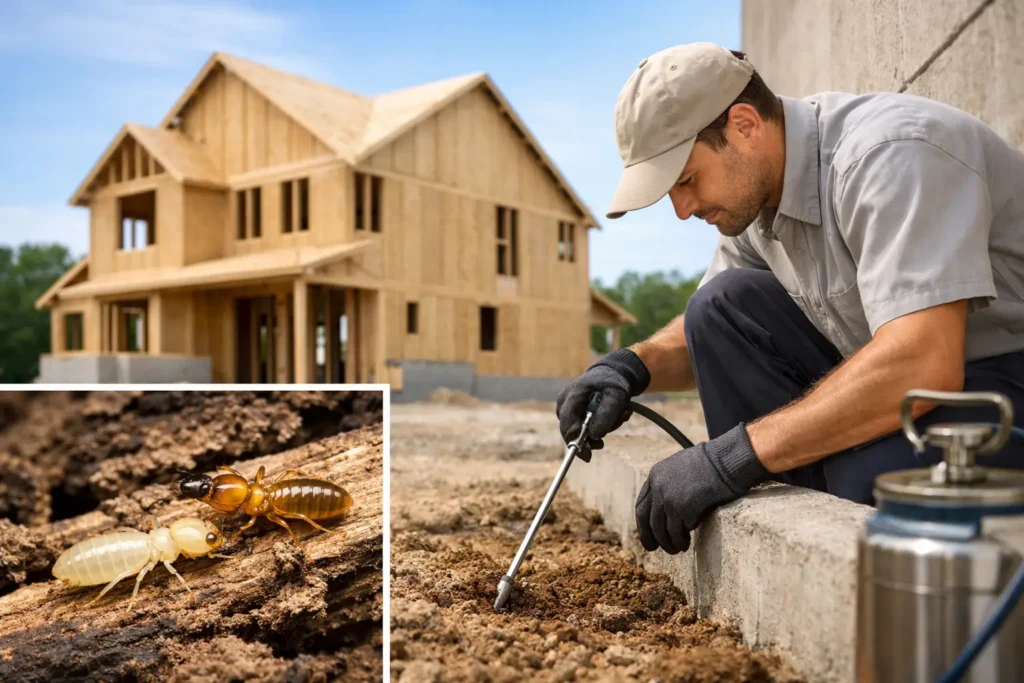
A chemical barrier is a treated zone in soil around and sometimes under a structure, designed to stop termites reaching the building. It is often created by trenching and treating soil along the perimeter, and by drilling and injecting through paths like concrete next to walls.
They tend to recommend it when the home design allows a continuous treated zone. For pest control termite, barriers can be used as a standalone preventative method or combined with baiting for higher risk sites.
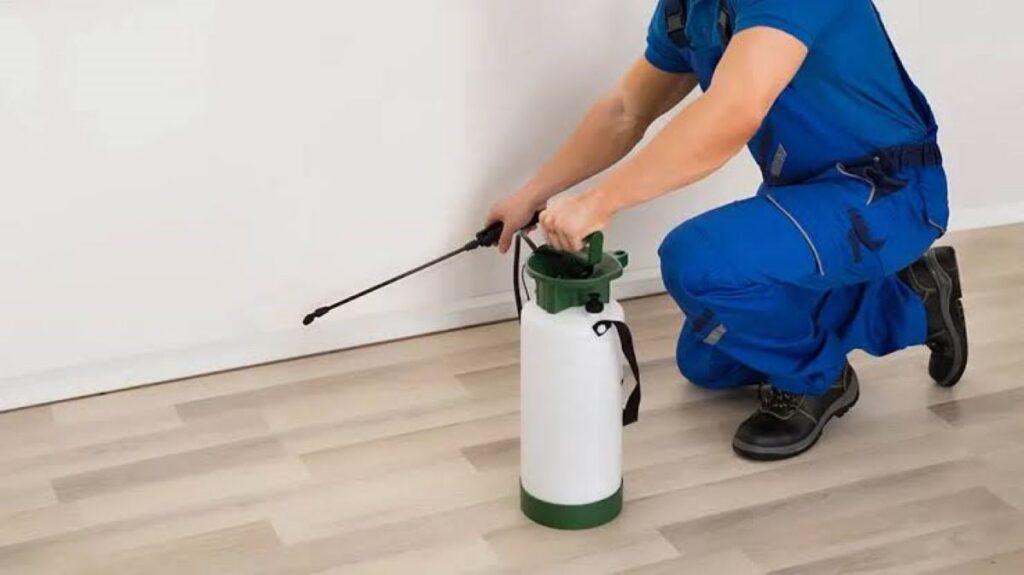
Can DIY termite sprays fix the problem?
DIY sprays may kill a few visible termites but rarely address the colony or the hidden entry points. Spraying can even make things worse by causing termites to move and re-route, making activity harder to track.
For that reason, most genuine pest control termite work is best handled by licensed professionals who can identify the species, the extent, and the safest treatment approach for Australian conditions.
How long does termite treatment take to work?
Timeframes depend on the method and the infestation. A liquid barrier can start working quickly as termites attempt to cross treated zones, while baiting can take weeks to months to reduce the colony.
What matters is confirmation and follow-up. With pest control termite, they should expect monitoring visits, updates, and a clear plan for what “success” looks like.
How often should they book termite inspections in Australia?
Many Australian standards and industry guidance point to at least annual inspections, though higher risk properties may benefit from more frequent checks. Risk can increase with nearby bushland, older homes, moisture issues, or previous termite history.
Even with a treatment in place, inspections remain essential. Pest control termite is not a “set and forget” job, because conditions around a home change over time.
What increases termite risk around a property?
Moisture is a major factor, so leaking taps, poor drainage, damp subfloors, and air-conditioning runoff can all raise risk. Landscaping can also contribute, especially if soil or mulch bridges weep holes or sits against the slab edge.
Timber in contact with soil, stored timber, and dense vegetation close to walls also increase opportunity. Reducing these factors supports any pest control termite strategy and helps treatments last.
What should they do if they find termites right now?
They should avoid disturbing the area, pulling timber apart, or spraying household insecticides. The best step is to document what they can see, limit access, and call a licensed termite technician promptly.
Early action can reduce the spread and cost. In urgent cases, pest control termite may start with rapid measures to stop feeding in critical areas, followed by a whole-of-property plan.
How do they choose a termite professional in Australia?
They should look for proper licensing, documented experience with termites, and clear written reporting. A good provider explains the method, the expected timeline, what is included, and what is excluded, without pressure or vague promises.
They should also ask what ongoing monitoring is required. For pest control termite, the best outcomes usually come from a provider who treats the property like a system, not a single spot problem.
What does termite control usually cost in Australia?
Costs vary widely based on the home size, access, construction type, and infestation severity. An inspection is typically a separate fee, and treatment costs depend on whether they choose baiting, a barrier, or a combined approach.
They should be cautious of quotes that skip inspection detail. For pest control termite, the value is in correct diagnosis, proper application, and a plan that prevents repeat issues.
Is termite protection ever “permanent”?
No treatment is truly permanent because termites are part of the Australian environment and conditions around a home can change. Products can have long residual performance, but they still need maintenance, inspections, and risk management.
The realistic goal is long-term risk reduction. A solid pest control termite programme combines treatment, monitoring, and property upkeep.
What is the simplest way to stay protected year-round?
They should book regular inspections, fix moisture issues quickly, and keep the building perimeter visible where possible. They should also avoid piling soil or mulch against the house and keep timber off the ground.
If they already have a barrier or baiting system, they should stick to the service schedule. In Australia, consistent pest control termite habits usually beat one-off reactions.
Related : What Changes the Price of Pest Control Sydney?
FAQs (Frequently Asked Questions)
What does pest control termite mean in Australia?
Pest control termite in Australia refers to the process of identifying termites, halting the active colony from feeding, and reducing the chance of their return. It involves a targeted approach based on termite species, their travel paths, and food sources, typically including an inspection, a treatment plan, and ongoing monitoring.
Why are termites such a serious concern for Australian homes?
Termites pose a significant threat because they feed on cellulose found in timber and many building products. In Australia’s warm climate with factors like subfloor humidity and garden irrigation, termite activity is common. They can silently damage structural elements like framing and flooring without obvious surface signs.
How can inspectors distinguish between active termites and old damage?
A thorough inspection differentiates active termites—confirmed by live insects, fresh mudding, or current timber workings—from historical damage which appears dry and abandoned. This distinction is crucial as active infestations require urgent treatment while old damage calls for prevention and repairs.
What are the most common warning signs of termite activity around an Australian house?
Early signs include mud tubes on brickwork or walls, soft or hollow-sounding timber, doors that stick suddenly, bubbling paint, fine cracks in skirting boards, and small pellets near damaged wood. Often these signs are subtle and first detected during professional inspections rather than by homeowners.
What methods are commonly used for termite treatment in Australia?
Common treatments include baiting systems that eliminate colonies over time, liquid termiticides creating chemical barriers to prevent entry, dusting in specific scenarios, and physical barriers. The choice depends on construction type and infestation status, aiming either to eradicate colonies or block termite access effectively.
Can DIY termite sprays effectively solve termite problems?
DIY sprays may kill visible termites but rarely address the entire colony or hidden entry points. Spraying can sometimes worsen the problem by causing termites to relocate. Therefore, professional pest control termite services by licensed experts are recommended for accurate identification and safe, effective treatment plans tailored to Australian conditions.