Andy Showto Home Flooring Blogs

August 12, 2026

10 Signs Sydney Homeowners Tackling Household Projects Need Retail Cleaning Sydney

Filed under: Home & Gym Maintenance — Adam Tudawali @ 12:24 pm

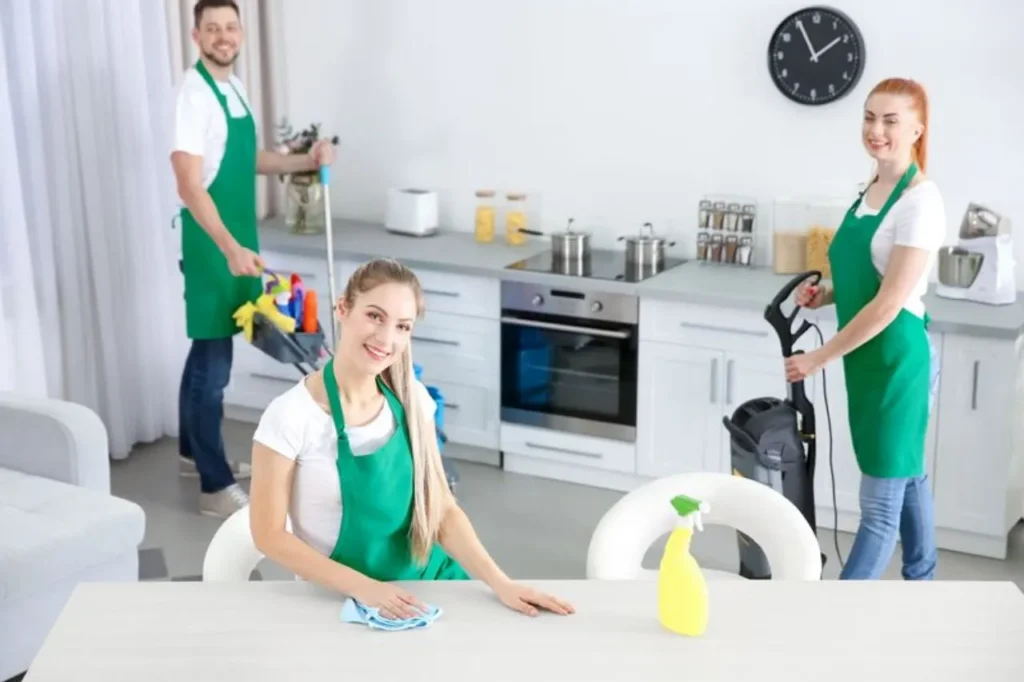
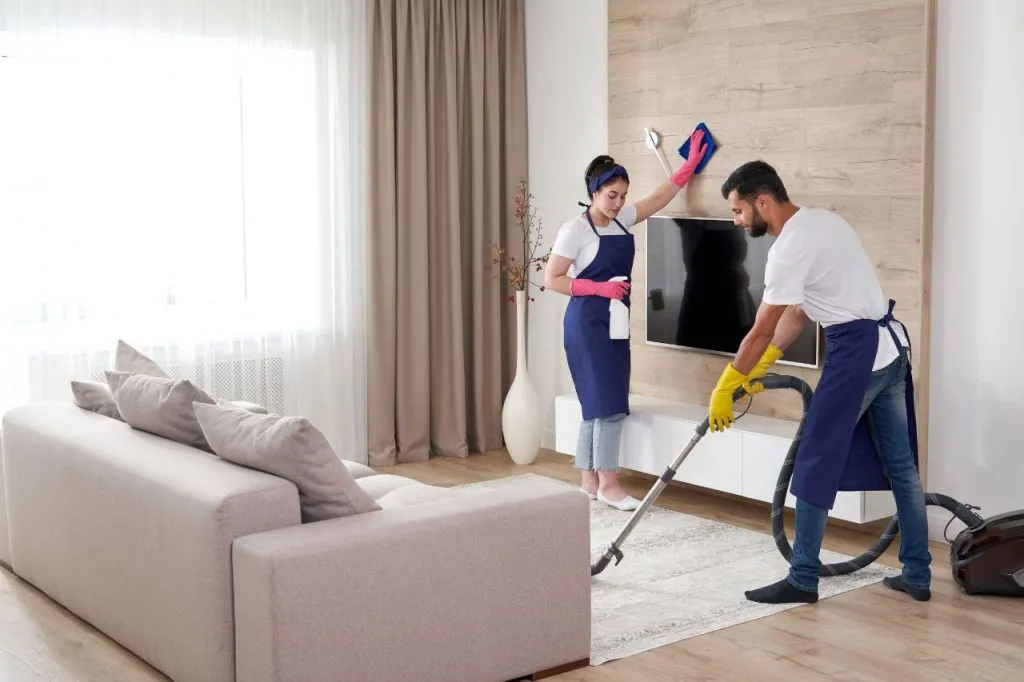
This guide covers ten clear signs they may need retail cleaning Sydney, especially when projects spill into living spaces, garages, and shared areas.

Are they renovating and finding dust keeps coming back?

They may need help if fine dust returns within hours of wiping surfaces, even with windows closed. Renovation dust can settle into vents, skirting boards, blinds, and soft furnishings, then re-circulate through the home.

Retail cleaning Sydney is useful here because it targets the hidden buildup that regular wipe-downs miss, helping improve air comfort and reducing the gritty film on floors and benchtops.

Is the project creating more rubbish than council bins can handle?

They likely need support when offcuts, packaging, old fixtures, and broken tiles pile up faster than weekly collections. Even with a trip to the local tip, overflow can linger in the garage, side path, or spare room.

With retail cleaning Sydney, they can get a structured clean-up that clears surfaces, makes rooms usable again, and reduces the chance of sharp or hazardous debris being tracked through the house.
10 Signs Sydney Homeowners Tackling Household Projects Need Retail Cleaning Sydney

Are paint splatters, grout haze, or residue spreading beyond the work zone?

They may be past the DIY clean stage if paint mist lands on door handles, grout haze dulls tiles, or adhesive residue sticks to floors. These marks often look minor until sunlight hits them or guests point them out.

Retail cleaning Sydney can help remove residue safely with the right products and techniques, avoiding damage to finishes like engineered timber, stone, and modern matte cabinetry.

Are they losing time because cleaning is eating the weekends?

They may need a reset when their Saturday becomes “cleaning day” every week, and the project still drags on. Constant tidying can become a productivity trap, especially when multiple rooms are half-finished.

By using retail cleaning Sydney, they can reclaim time and keep momentum on the project while still maintaining a liveable home, especially in busy parts of Sydney where schedules are tight. A home cleaning organisation guide can also help homeowners create efficient routines and keep spaces manageable during renovation or busy periods.

Is the home starting to feel unsafe to walk through?

They should take it seriously if extension cords, tools, drop sheets, and debris create trip hazards in hallways or near stairs. Safety risks rise quickly in family homes with kids, pets, or older relatives visiting.

Retail cleaning Sydney can help restore clear walkways and reduce slip and trip risks, particularly after sanding, demolition, or tiling when dust and grit make floors unexpectedly slippery.

Are they finishing a project but the space still doesn’t look “done”?

They may be in the common post-project slump where the room is technically finished, but it still feels messy. That is often because skirting boards are dusty, windows are smeared, and corners hold leftover debris.

A detailed pass from retail cleaning Sydney can deliver that final “reveal” effect, where surfaces look crisp, light reflects properly, and the space finally matches the effort they put in.

Are they preparing for visitors, inspections, or a property listing?

They may need professional support when they are hosting family, expecting a landlord inspection, or meeting an agent for photos. Project mess can make even a well-kept home feel chaotic, especially in smaller Sydney terraces and apartments.

Retail cleaning Sydney can help bring the home to a consistent standard quickly, so the focus stays on the property and not the dust on the sills or smudges on glass.

Is their garage, laundry, or spare room turning into a storage zone?

They may need help when “temporary” stacks become permanent, and important areas stop functioning. Garages become tool dumps, laundries become paint storage, and spare rooms become half-built furniture warehouses.

With retail cleaning Sydney, they can reset those zones, clear floors, and make the spaces usable again, which also reduces the chance of mould, pests, and stale odours in enclosed areas. Following a commercial space cleaning checklist can also help maintain cleaner environments and support better hygiene in areas that require regular attention.
10 Signs Sydney Homeowners Tackling Household Projects Need Retail Cleaning Sydney

Are allergies, odours, or indoor air issues getting worse during the project?

They may notice sneezing, itchy eyes, or lingering smells from paint, adhesive, or damp materials. Even when products are low-VOC, dust and moisture can still affect comfort, especially in humid coastal Sydney suburbs.

Retail cleaning Sydney can help reduce dust load and remove grime that traps smells, helping the home feel fresher while the project continues, particularly when windows cannot stay open all day.

Are they unsure what “good” cleaning looks like after a major mess?

They may be stuck if they do not know which products are safe for their surfaces, or how to clean without spreading dust. Many DIY efforts push grime around rather than removing it, especially after sanding gyprock or cutting MDF.

A retail cleaning Sydney team can follow a consistent method, target high-contact points, and lift buildup properly, so the home does not return to “dirty” the moment someone walks through.

What should they do next if several signs match?

If two or three signs apply, they should plan a targeted clean around the project schedule, not after it collapses into chaos. The earlier they bring in retail cleaning Sydney, the easier it is to keep the home comfortable and safe while work continues. Following gym floor cleaning and maintenance tips can also help homeowners understand effective cleaning routines, reduce surface damage, and maintain cleaner flooring during renovation or high-traffic periods.

If they want the simplest approach, they can list the worst-hit rooms, note the surfaces involved, and book a clean timed right after the messiest stage, such as sanding, demolition, or final installation.

August 6, 2026

Everything Sydney Homeowners Tackling Household Projects Should Know About Gym Cleaning Sydney

Filed under: Facility Maintenance & Hygiene — Adam Tudawali @ 12:24 pm

This guide explains what matters most when they’re planning, cleaning, or outsourcing a home gym reset, with practical, Sydney specific considerations for products, air quality, and safe routines.

What does Gym Cleaning Sydney actually cover for a home setup?

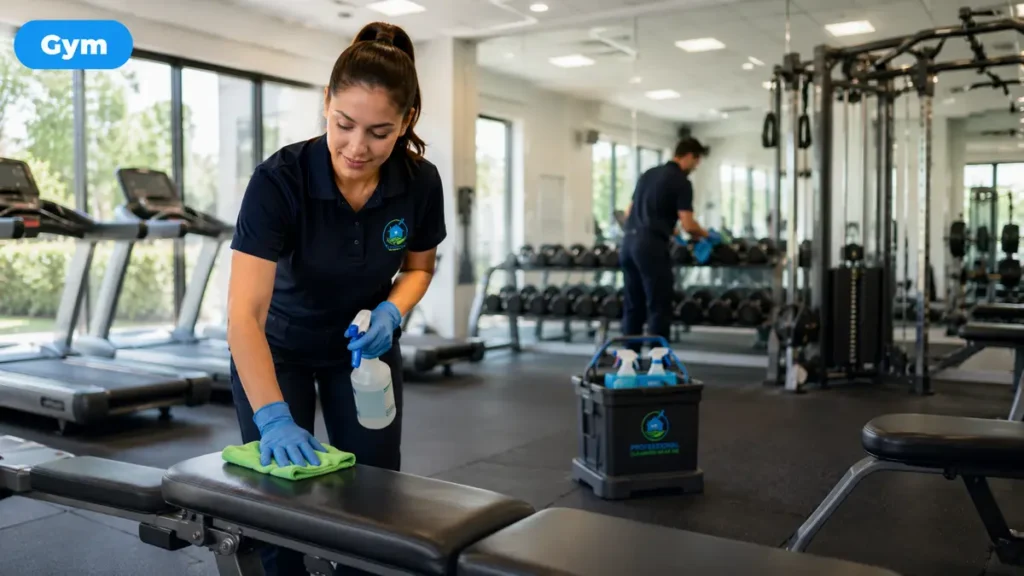
Gym Cleaning Sydney for a home gym usually means deep cleaning the high contact zones, sanitising equipment surfaces, tackling sweat odour sources, and removing dust that impacts air quality. It also includes floor care matched to rubber, vinyl, timber, or tile.

For Sydney homes, it helps to treat the gym like a mini wet area plus workshop. The goal is a space that feels clean, dries properly, and stays easy to maintain between sessions.

Why do Sydney garages and spare rooms get so dirty as gyms?

Sydney garages and converted rooms collect fine dust, vehicle residue, garden debris, and moisture, then workouts add sweat salts and skin oils. That mix sticks to rubber mats, benches, and handles, making grime build quickly.

Humidity swings after rain can worsen odours and encourage mould in corners, under mats, and around skirting. If they store paint tins, potting mix, or tools nearby, the airborne dust load goes up again.

When should they book Gym Cleaning Sydney instead of doing it themselves?

They should consider Gym Cleaning Sydney when the gym smells even after wiping gear, when dust returns within a day, or when grime is embedded in textured flooring. It also makes sense after renovations, wall sanding, or a garage clear out.

If anyone in the household has asthma or allergies, a deeper clean that targets dust reservoirs can be worth prioritising. The same applies when they are preparing the home for sale or a rental inspection.

What are the highest risk touchpoints in a home gym?

The highest risk touchpoints are any surfaces repeatedly handled with sweaty hands. That includes dumbbell grips, kettlebell handles, pull up bars, bench adjustment levers, treadmill rails, and resistance band anchors.

Phones, remotes, and water bottles often carry germs back onto cleaned surfaces. A simple rule helps: if it’s handled mid workout, it belongs in the “wipe every session” list.

How should they clean rubber gym flooring without damaging it?

They should vacuum first with a brush head to lift grit from grooves, then mop with a pH neutral cleaner diluted to label directions. Overly harsh detergents can dry out rubber and leave a slippery residue. Following a rubber flooring maintenance guide can also help users choose suitable cleaning methods and protect the surface from premature wear.

Sydney homeowners should also lift and air mats occasionally, especially after humid weeks. If water sits underneath, odours and mould can develop where they cannot see it.

What’s the safest way to disinfect equipment without wrecking the finish?

They should use a mild detergent clean first, then apply a disinfectant suitable for hard, non porous surfaces, checking dwell time. Many finishes dislike bleach, high alcohol concentrations, and abrasive pads, especially on coated metal and vinyl.

Microfibre cloths work well because they remove oils instead of smearing them. For screens and consoles, they should follow the manufacturer’s guidance and avoid spraying liquids directly.

How can they handle sweat odours that keep returning?

Persistent odour usually means sweat has soaked into porous materials or is trapped under mats and around frames. They should wash removable fabric parts, clean seams and stitching, and dry everything fully with airflow.

For stubborn smells, deodorising is different from masking. Proper cleaning, complete drying, and ventilation changes are what keeps the space fresh between sessions.

What role does ventilation play in a clean Sydney home gym?

Ventilation controls moisture, and moisture drives odour and mould. They should aim for cross flow airflow where possible, using windows, door gaps, or an exhaust fan, especially in converted garages.

If the gym is in a sealed room, a dehumidifier can help during wet Sydney periods. Even small improvements, like leaving the door open post workout, can reduce smell buildup.

Which products should they avoid in a home gym?

They should avoid mixing chemicals, especially bleach with anything acidic, because it can create dangerous fumes. They should also avoid oil-based cleaners on floors, since they can cause slips and attract dust. A safe cleaning practices guide can help users understand proper product handling, chemical safety, and methods for maintaining cleaner surfaces without causing damage.

Strong solvents can dull coatings on racks and benches. If they are unsure, they can test any new product on a small hidden spot before doing the whole room.

How should they clean cardio machines like treadmills and bikes?

They should unplug the machine, wipe sweat from rails and grips, then clean around buttons with a lightly damp cloth. Dust under and behind the machine should be vacuumed, since motors and fans can pull in debris.

Belts and moving parts should be handled carefully and according to the manual. If squeaks or belt dust appear, they may need a service rather than more cleaning.

What’s a realistic weekly routine that keeps the gym presentable?

A realistic routine is short and consistent: vacuum twice a week, wipe high touch gear after each session, and mop weekly. They can also do a monthly “lift and check” under mats and behind machines.

If they keep a small cleaning caddy in the gym, follow through is easier. Consistency reduces the need for big resets later.

How does renovation dust change the cleaning plan?

Renovation dust is finer and more invasive, so a normal wipe down will not be enough. They should vacuum with a HEPA rated machine if possible, wipe surfaces top to bottom, then repeat after 24 hours as dust resettles.

This is where Gym Cleaning Sydney can be useful because post renovation residue tends to hide in vents, corners, and textured rubber.

What should they ask before hiring a local cleaner for a home gym?

They should ask what surfaces are included, what products are used on rubber and vinyl, and whether the cleaner brings equipment that can handle fine dust. They can also ask about insurance, arrival windows, and whether they will move mats or machines.

If they want Gym Cleaning Sydney standards, they should confirm the service covers both sanitising touchpoints and detailing the floor edges and skirting.

How much does a deep clean typically cost in Sydney homes?

Pricing varies by room size, floor type, how much equipment is present, and whether there is mould, pet hair, or renovation dust. A small spare room gym can cost less than a large garage conversion with multiple machines and heavy mats.

They can reduce costs by decluttering first, clearing access to skirting, and stacking smaller gear. Clear access means time is spent cleaning, not moving items.

How do they prepare the room before a professional clean?

They should remove loose items, empty bins, and group small accessories into tubs. They should also note any fragile equipment, loose cables, or areas that should not be moved.

If they are booking Gym Cleaning Sydney, a quick photo set can help the cleaner quote accurately. It also reduces surprises on the day and helps them plan how long the space will be out of action.

Everything Sydney Homeowners Tackling Household Projects Should Know About Gym Cleaning Sydney

What should they do after Gym Cleaning Sydney to keep results longer?

After Gym Cleaning Sydney, they should maintain the “wipe after use” habit and keep airflow moving so moisture does not reaccumulate. A door hook for towels and a closed hamper stops used fabric from sitting in the room.

They can also add a simple entry rule, such as gym-only shoes or no shoes. Less grit coming in means the floor stays clean longer, especially on rubber tiles. Regular Retail Cleaning Sydney services can help maintain high-traffic areas, remove built-up dirt, and protect flooring surfaces so the space remains cleaner and safer for daily use.

Is Gym Cleaning Sydney useful for households with kids and pets?

Gym Cleaning Sydney can be especially useful when kids crawl on mats or pets wander through the space. Fur, dander, and paw prints quickly turn rubber flooring into a dust magnet, and pet hair can wrap around machine parts.

For these homes, it helps to vacuum more often and keep chewable items like resistance bands stored high. A cleaner gym also reduces the chance of skin irritation from dirty mats.

What’s the simplest checklist they can follow today?

They can start with a quick, repeatable checklist: vacuum, wipe handles, mop, deodorise fabrics, and check under mats. If they stick to those basics, the gym stays pleasant and safer to use.

If the space still feels sticky, smells musty, or shows visible grime, Gym Cleaning Sydney may be the fastest reset. It returns the room to a baseline they can realistically maintain.

August 1, 2026

Comparing Your Options for Mice Removal Sydney

Filed under: Mice Removal — Adam Tudawali @ 12:24 pm

What signs show they actually need mice removal right now?

They usually need action as soon as droppings, scratching in walls, or gnaw marks appear. Waiting often turns a small issue into a repeating infestation.

In Sydney, mice often move indoors during cooler months and after heavy rain. They’re also common around garages, terrace subfloors, apartments with shared service ducts, and homes near bushland edges. If they’re finding food nightly, the problem is already established and won’t resolve without intervention.

What can they achieve with DIY traps and bait from Australian hardware stores?

They can reduce numbers quickly if the infestation is small and entry points are limited. DIY works best when they combine trapping with sealing, strict food control, and mice removal Sydney strategies to address the problem more effectively.

Snap traps, enclosed bait stations, and multi-catch traps are widely available across Sydney. However, success relies on placement along runways, regular resetting, and removing attractants like pet food or pantry spills. DIY becomes less effective when mice are nesting in wall cavities, roof voids, or underfloors where they can avoid traps.

How do they choose between snap traps, live traps, and electronic traps?

They choose based on speed, safety, and how often they can monitor traps. For most homes, snap traps are the simplest and most reliable when used correctly.

Live traps require frequent checking and a plan for humane handling, plus legal and ethical considerations around release. Electronic traps can work, but they still need careful placement and routine maintenance. In busy households, they should also consider child and pet safety, using tamper-resistant placements wherever possible.

Comparing Your Options for Mice Removal Sydney

What are the real risks of DIY baiting around kids, pets, and wildlife?

The main risks are accidental access, secondary poisoning, and bait being moved into hidden areas. These risks rise in homes with dogs, curious toddlers, or outdoor wildlife activity.

Australian households should be especially cautious with bait use near possums, birds, and other non-target animals. They can reduce risk by using secure bait stations, avoiding loose pellets, and never placing bait where it could be dragged into a ceiling void. If they’re unsure, a professional approach is usually safer.

When should they call a licensed pest controller instead?

They should call when mice are active in multiple rooms, inside walls or ceilings, or when DIY efforts fail after one to two weeks. They should also call if there’s a suspected nesting site that can’t be accessed safely. Following a rodent infestation warning guide can help homeowners identify when professional assistance is needed and prevent the problem from becoming more difficult to control.

Sydney properties with complex rooflines, heritage features, or shared walls often need professional inspection and strategy. A licensed technician can identify travel paths, likely harbourage, and entry points that aren’t obvious from the living areas. For many households, mice removal Sydney services save time by addressing the cause, not just the symptoms.

What happens during a professional inspection for mice?

They typically assess activity, locate entry points, and map out harbourage areas. Then they propose a plan that matches the property layout and risk level.

In Sydney, a thorough inspection often includes the kitchen kickboards, roof void access (where safe), garage perimeters, subfloor vents, and plumbing penetrations. They may use tracking dust, motion cameras, or UV torches to confirm runways. This is where mice removal Sydney professionals often outperform DIY because the inspection turns guesswork into a targeted plan.

How do baiting programs from professionals differ from store-bought products?

Professional programs focus on controlled placement, correct bait choice, and ongoing monitoring. They usually use commercial-grade formulations and tamper-resistant stations, paired with a schedule.

Store-bought bait often fails when it’s placed inconsistently or in the wrong areas. Professionals tend to avoid over-baiting, which can cause odour issues from hidden carcasses. For households comparing mice removal Sydney options, this difference often comes down to safety, precision, and follow-up.

Can they rely on “one-off” treatments, or do they need follow-up visits?

They often need follow-up if the problem is established or if the home has multiple entry points. One-off treatments can work in mild cases, but ongoing monitoring is more reliable.

Sydney homes with subfloors, older weatherboard gaps, or attached garages can keep reintroducing mice unless exclusions are completed. Follow-ups also confirm whether bait takes are dropping and whether new activity appears. Many mice removal Sydney providers include a revisit window to adjust placements and confirm results. Homeowners can also refer to a rodent exclusion and prevention guide to understand common entry points and long-term control measures.

What is exclusion work, and why does it matter so much in Sydney homes?

Exclusion is sealing the entry points so mice can’t get back in. It matters because killing mice without sealing access leads to repeat infestations.

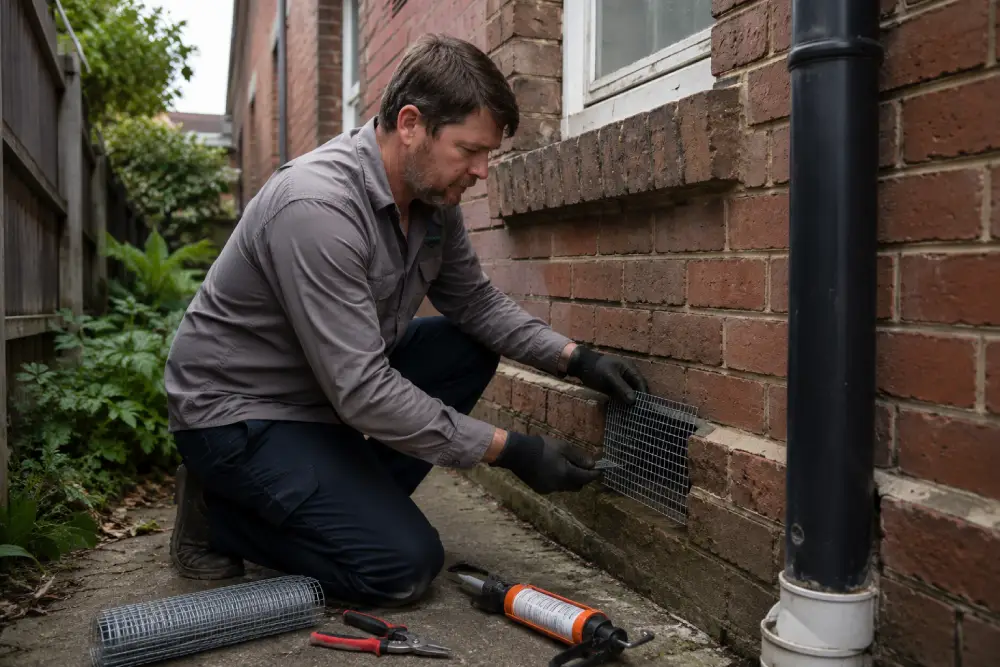
In Sydney, common entry points include weep holes, gaps around air-conditioning lines, broken vents, garage door corners, and poorly sealed pipes under sinks. Quality exclusion uses rodent-proof materials like steel mesh and durable sealants, not soft foam alone. For long-term mice removal Sydney outcomes, exclusion is often the deciding factor.

How do they compare costs across different mice removal approaches?

DIY can be cheaper upfront, while professional services often reduce long-term repeat costs. They should compare total cost over three to six months, not just the first receipt.

DIY costs add up through repeated trap purchases, bait refills, and time spent monitoring. Professional costs vary depending on property size, infestation severity, and whether exclusion is included. When comparing mice removal Sydney quotes, they should ask what’s included: inspection, number of stations, follow-ups, and any warranty terms.

What questions should they ask a Sydney pest controller before booking?

They should ask what method will be used, how safety is managed, and what follow-up looks like. Clear answers usually indicate a more professional service.

Useful questions include: Are they licensed in NSW? Will they provide a written plan? Do they include exclusion advice or onsite sealing? What are the risks for pets? How long until activity should drop? What happens if mice return? For mice removal Sydney bookings, transparency on process and aftercare matters as much as price.

How can strata apartments and townhouses handle mice differently?

They need a coordinated approach because mice can move through shared walls, service risers, and basement areas. Treating one unit alone may not solve building-wide activity.

In Sydney apartment blocks, the source can be bin rooms, loading docks, or gaps around plumbing stacks. They should report activity to strata early and request a building inspection if multiple residents notice signs. Effective mice removal Sydney in strata settings often includes common-area baiting, sealing in service rooms, and unit-level exclusion.

What role do hygiene and food storage play in stopping reinfestation?

They reduce attraction, which lowers pressure on traps and baiting. Without hygiene changes, mice keep returning to reliable food sources.

They should store dry goods in sealed containers, keep pet food in lidded tubs, and clean under appliances where crumbs collect. Outdoor factors matter too, including fallen fruit, open compost, and accessible chicken feed. For lasting mice removal Sydney results, hygiene is the easiest step that many households underestimate.

Comparing Your Options for Mice Removal Sydney

How do they deal with dead mouse odour and cleanup safely?

They should treat droppings and carcasses as contamination risks and clean using safe, controlled steps. Sweeping dry droppings can aerosolise particles, so they should avoid it.

They can ventilate the area, wear gloves and a mask, and use disinfectant before wiping. Waste should be bagged securely and disposed of properly. If an odour suggests a carcass is hidden inside a wall or ceiling, they may need professional help to locate and remove it safely. Many mice removal Sydney providers can also advise on cleanup procedures or coordinate remediation when required. Homeowners can follow rodent cleanup and prevention tips to reduce health risks and prevent future infestations.

Which option is best for fast results in an active infestation?

Professional treatment combined with targeted trapping is usually the fastest. DIY can work, but it often takes longer to identify runways and nesting zones.

If mice are seen in daylight, activity is typically high and rapid reduction becomes the priority. A professional can place stations in roof voids and subfloor zones more safely and effectively, then guide exclusion and hygiene steps. For urgent mice removal Sydney scenarios, speed usually comes from a structured plan, not more bait.

How do they choose the right mice removal option for their Sydney property?

They choose based on infestation size, safety needs, and how confident they are sealing entry points. A small, contained issue may suit DIY, while ongoing activity usually needs professional help.

As a simple rule, they can start DIY if activity is light and they can seal obvious gaps. If signs persist, spread, or involve ceilings and walls, a licensed service is a better fit. Comparing mice removal Sydney options comes down to one goal: stop current activity and block the next wave.

Powered by WordPress