This guide compares scaffolding mesh vs shade cloth in practical, on-site terms so they can decide confidently.
What is scaffolding mesh, and what is shade cloth?
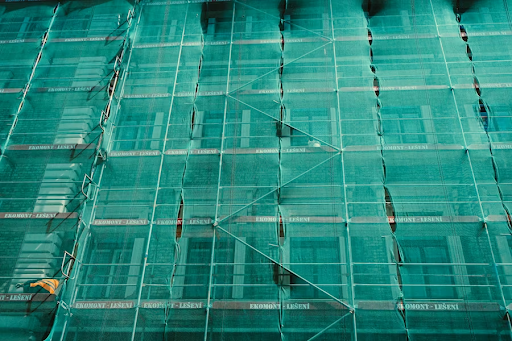
Scaffolding mesh is a permeable barrier typically fixed to scaffolding to reduce wind load while helping contain dust and light debris. Shade cloth is a knitted fabric designed primarily to reduce sunlight and heat, often used for temporary shade around worksites and outdoor areas.
When comparing scaffolding mesh vs shade cloth, the key difference is purpose: mesh is usually about site containment and safety, while shade cloth is about sun control.
Which offers better containment for dust and debris?
Scaffolding mesh generally offers better containment for airborne dust and small debris than shade cloth. Its structure is intended for wrapping scaffold runs and creating a more consistent barrier along the work face.
In scaffolding mesh vs shade cloth, shade cloth can still slow dust, but it is usually chosen for shading rather than containment, so performance can vary by knit and shade rating.
Which reduces wind impact more effectively on Australian sites?
Scaffolding mesh is typically the better choice for managing wind because it is designed to let air pass through while reducing gust impact. This helps lower wind load compared with solid sheeting, which matters on elevated scaffolds in coastal or exposed Australian locations.
In scaffolding mesh vs shade cloth, shade cloth can also be breathable, but it is not always specified or installed with wind management as the primary goal.
Which provides better sun and UV protection for workers and materials?
Shade cloth is usually stronger for sun and UV reduction, especially in high-UV Australian conditions. It is often selected by shade percentage, making it easier to plan protection for workers, curing materials, or temperature-sensitive tasks.
For scaffolding mesh vs shade cloth, mesh may reduce glare and some sunlight, but shade cloth is typically more predictable when heat stress and sun exposure are the main concern.
Which performs better in rain and moisture?
Neither option is a true waterproofing system, but scaffolding mesh generally dries quickly and maintains airflow, reducing the chance of trapped moisture. Shade cloth can also dry quickly, though heavier grades may hold water longer depending on weave and installation.
In scaffolding mesh vs shade cloth, mesh is often preferred when they want a breathable wrap that does not create a sail effect or trap moisture against the scaffold line.
Which is better for privacy and visual screening?
Both can provide screening, but many scaffolding mesh products are made specifically to limit visibility into a site while keeping airflow. Shade cloth can also screen effectively, particularly darker colours and higher shade ratings.
In scaffolding mesh vs shade cloth, mesh tends to look more like a construction-grade site barrier and is commonly used where they want a consistent façade along commercial works.
Which is easier and faster to install on scaffolding?
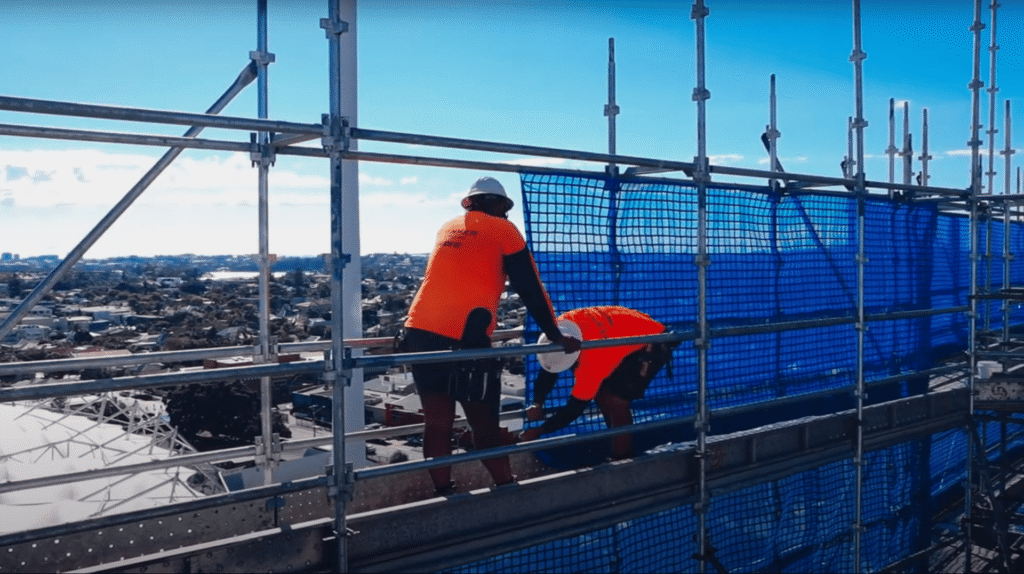
Scaffolding mesh is typically quicker to fit on scaffolds because it is commonly supplied in rolls sized for scaffold bays and fixed using ties, clips, or lacing. Shade cloth can be installed similarly, but it may need more trimming and reinforcement depending on the shape of the area.
For scaffolding mesh vs shade cloth, the installation winner is usually mesh when the goal is a neat, continuous scaffold wrap with minimal custom cutting.
Which is more durable under Australian UV and site wear?
Durability depends on GSM, UV stabilisation, and how it is tensioned, but scaffolding mesh is often chosen for harsh site handling and repeated use. Shade cloth varies widely, from residential garden grades to heavy-duty commercial options.
In scaffolding mesh vs shade cloth, they should check UV-stabilised ratings and tear resistance, especially for projects in Queensland, the Northern Territory, and exposed coastal New South Wales where UV and wind can punish lighter materials.
Which is safer around edges, falls, and loose materials?
Scaffolding mesh is commonly used as part of a broader approach to site safety, particularly where they want to reduce the chance of small items dropping from platforms. It does not replace guardrails, toe boards, or debris netting where required, but it can add a layer of protection.
In scaffolding mesh vs shade cloth, shade cloth is less commonly specified for containment on working scaffolds, so it is usually a secondary option unless they have a clear shading-led reason.
Which is more cost-effective over a full project?
Scaffolding mesh can be a cost-effective option for scaffold wrapping because it is purpose-made, quick to install, and reusable when handled correctly. Shade cloth may have a lower price per metre in some grades, but heavier-duty, UV-stabilised commercial products can become comparable in cost once fixings and reinforcement are included. Comparing scaffold wrapping materials should therefore account for the complete installation cost, not just the material price.
For scaffolding mesh vs shade cloth, cost should be measured against reusability, damage rate, and the real objective, such as containment versus shading.
What should they consider for compliance and site expectations in Australia?
They should align the choice with the site’s risk controls, client expectations, and any local requirements for containment, public protection, and amenity. On busy footpaths in Sydney, Melbourne, or Brisbane, containment and presentation often matter as much as comfort on the scaffold.
In scaffolding mesh vs shade cloth, mesh is more commonly associated with scaffold compliance setups, while shade cloth is more common for shade structures, temporary screens, and worker comfort zones.
When does scaffolding mesh make more sense?
Scaffolding mesh usually makes the most sense when they need containment, wind permeability, and a consistent scaffold wrap. It suits façade works, painting, light demolition, remediation, and projects near the public where dust drift and visual screening matter.
If the decision is scaffolding mesh vs shade cloth and the priority is a construction-first barrier, mesh is typically the safer default.
When does shade cloth make more sense?
Shade cloth usually makes the most sense when they need heat and glare reduction, shaded work areas, or protection for materials that should not sit in direct sun. It is also useful for temporary fencing screens, site break areas, and garden or landscape works.
If scaffolding mesh vs shade cloth comes down to worker comfort and UV control, shade cloth is often the better tool.
Can they combine both for better protection?
Yes, they can combine both when the site needs different outcomes in different zones. For example, they might wrap the scaffold work face with mesh for containment, then add shade cloth over a break area or over sensitive materials to reduce heat and UV.
In scaffolding mesh vs shade cloth, the best protection is sometimes a layered approach rather than choosing only one product.
What is the simplest way to choose the right option?
They should decide based on the primary risk: dust and debris, wind exposure, UV and heat, privacy, or public interface. If containment and scaffold wrapping is the core requirement, mesh is usually the first pick; if sun control is the core requirement, shade cloth is usually the first pick.
For most Australian projects comparing scaffolding mesh with shade cloth, the suitable choice depends on the site’s main hazard, the required level of protection, and how the material will be installed and maintained. Considering scaffold shade cloth lifespan alongside site conditions can help teams select and manage the appropriate material for the job.
FAQs (Frequently Asked Questions)
What is the main difference between scaffolding mesh and shade cloth?
The key difference lies in their primary purpose: scaffolding mesh is designed mainly for site containment, safety, and reducing wind load, while shade cloth is intended primarily for sun and heat reduction to provide comfort and UV protection.
Which material offers better containment for dust and debris on construction sites?
Scaffolding mesh generally offers superior containment for airborne dust and small debris compared to shade cloth, as it is specifically structured to wrap scaffold runs and create a consistent barrier along the work face.
How do scaffolding mesh and shade cloth compare in managing wind impact on Australian construction sites?
Scaffolding mesh is typically more effective at managing wind because it allows air to pass through while reducing gust impact, lowering wind load on elevated scaffolds. Shade cloth can be breathable but is not always specified for wind management purposes.
Which provides better sun and UV protection for workers and materials in high-UV Australian environments?
Shade cloth usually offers stronger sun and UV protection, especially with selectable shade percentages, making it ideal for shielding workers, curing materials, or temperature-sensitive tasks. Scaffolding mesh may reduce glare but is less predictable for heat stress concerns.
Are scaffolding mesh or shade cloth more durable under harsh Australian UV exposure and site conditions?
Durability depends on factors like GSM, UV stabilisation, and tensioning. Scaffolding mesh is often chosen for harsh site handling and repeated use due to its robust design. Shade cloth varies widely; commercial-grade options with UV stabilisation are necessary for exposed locations to ensure longevity.
Which option is more cost-effective over the duration of a full construction project in Australia?
Scaffolding mesh tends to be more cost-effective because it is purpose-made for scaffold wrapping, quick to install, and reusable when properly handled. While some grades of shade cloth may be cheaper per metre, heavier-duty commercial versions with necessary fixings can match or exceed mesh costs when factoring in durability and reusability.