What is scaffold shade cloth actually designed to do?
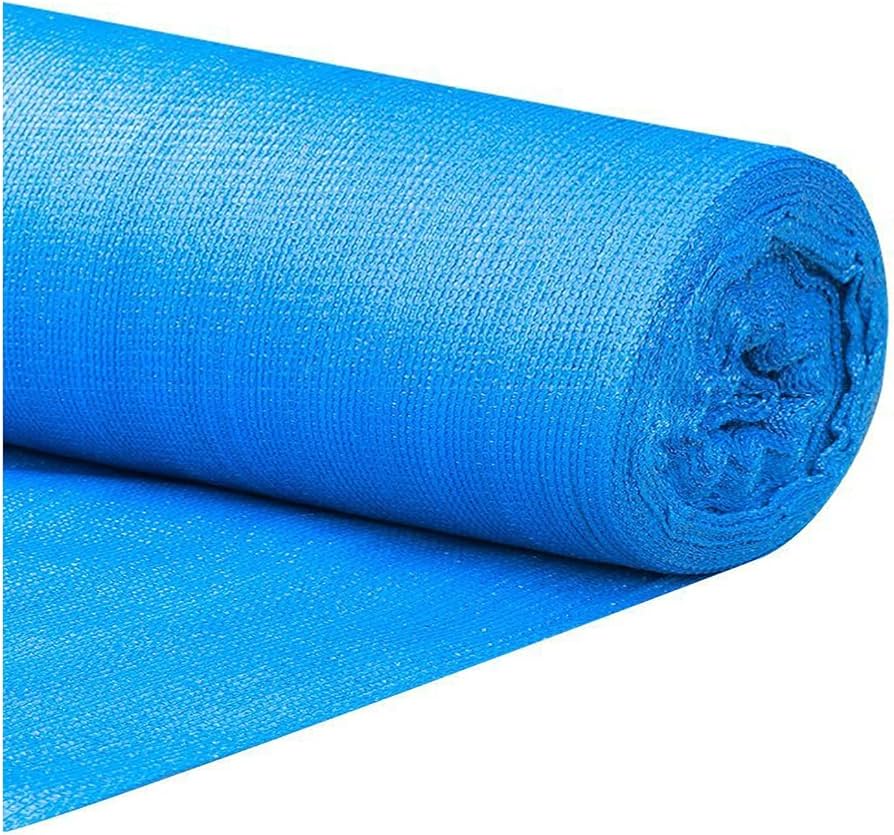
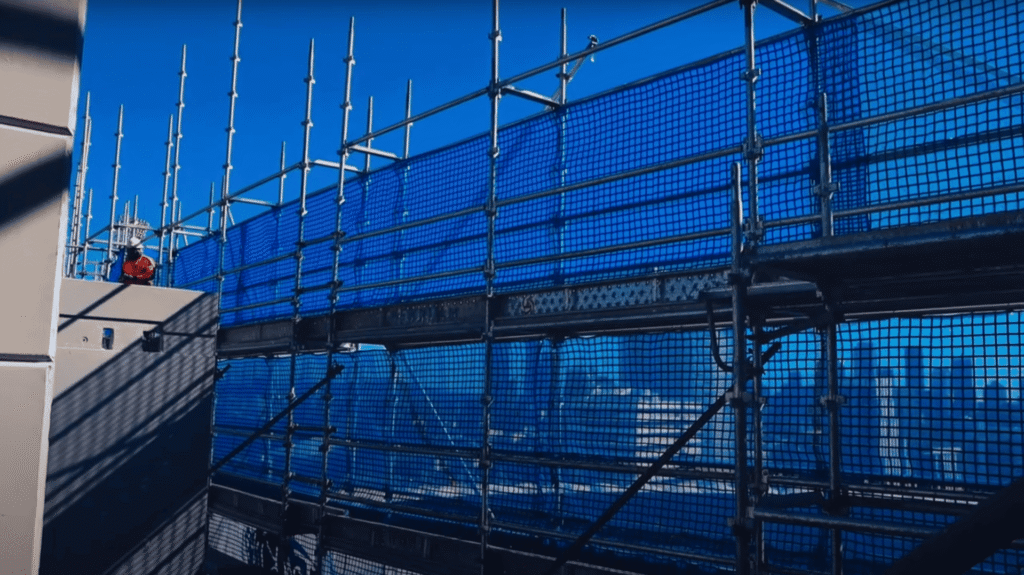
Scaffold shade cloth is designed to reduce sun, wind, and airborne dust while improving privacy and site presentation. It also helps manage heat on work faces, which can support safer work practices during Australian summers.
Most products are woven HDPE (high-density polyethylene) with UV inhibitors. They are commonly used on commercial scaffolds, residential wraps, temporary fencing, and event builds where sun and wind control matters.
How long does scaffold shade cloth last in Australian conditions?
In typical Australian conditions, scaffold shade cloth often delivers a practical service life of about 6 to 24 months on active sites, depending on exposure and handling. Some higher-spec products can last longer if they are installed well and removed carefully between projects.
Harsh UV, coastal wind, and repeated installation cycles shorten life fast. Even if the cloth looks fine from a distance, fibres can embrittle and tear strength can drop well before it visually fails.
What does a UV rating mean on shade cloth in Australia?
A UV rating usually describes how much ultraviolet radiation the fabric blocks, often expressed as a percentage. For example, a “90% UV block” claim generally means it reduces UV transmission significantly, but it does not always describe how long the fabric will resist UV damage.
This is where buyers can get caught. UV blockage relates to shade performance, while UV stability relates to lifespan. Scaffold shade cloth can block plenty of UV on day one and still degrade quickly if the polymer and additives are not suited to long exposure.
Is UV block the same as UV stability for scaffold shade cloth?
No. UV block is about protection under the cloth, while UV stability is about how long the material itself survives in the sun. They should look for both, especially if scaffold shade cloth will stay up for months on a northern face.
UV stability is influenced by resin quality, UV inhibitor package, weave density, and sometimes coatings. Without decent UV stability, the cloth can go chalky, brittle, and prone to tearing even if it still “shades” well.
Which Australian site conditions shorten shade cloth lifespan the most?
Coastal sites, high-wind corridors, and full-sun exposures shorten lifespan the most. Salt spray can speed up fibre ageing, and strong winds create constant flapping that acts like fatigue loading on the weave.
High-UV regions and reflective environments also matter. Light-coloured concrete slabs, pale walls, and metal roofing can bounce UV into the cloth from multiple angles, which accelerates degradation in scaffold shade cloth installed close to façades.
How does wind load and flapping affect scaffold shade cloth life?
Wind load is one of the biggest silent killers. Flapping causes micro-tears at yarn intersections, stretches fix points, and can start zipper-like rips once a small tear forms.
They can reduce this by tensioning properly, using correct tie spacing, and avoiding loose edges. If scaffold shade cloth is installed like a sail, it will behave like one, and fatigue failure becomes a matter of time.
Do different shade percentages change how long scaffold shade cloth lasts?
Yes, indirectly. Heavier, denser weaves (often higher shade factor) can be more robust, but they also catch more wind if the wrap is not tensioned and vented correctly.
A lighter weave may flap less if air passes through it, yet it can also have lower tear strength and may degrade sooner if the yarns are thinner. They should match scaffold shade cloth shade factor to exposure, height, and wind conditions, not just visual privacy.
What installation choices help scaffold shade cloth last longer?
Good installation can add months of life. They should tension evenly, keep fixings consistent, and avoid sharp contact points that saw through fibres.
Key practices include using rated ties or clips, reinforcing corners, and keeping the cloth away from abrasive edges. During scaffold shade cloth installation, the material should not be dragged across brickwork, caught beneath toe boards, or pinched by couplers, as these actions can create weak points that become more vulnerable to UV exposure over time.
How often should scaffold shade cloth be inspected on an active site?
They should inspect it at install, after major wind events, and at least weekly on longer projects. Quick checks often spot early tearing, loose ties, and abrasion marks before a panel fails.
If the site is near the coast or the scaffold is very high, inspections should be more frequent. Scaffold shade cloth failures at height can become debris risks, so catching a small tear early is far cheaper than replacing full runs.
What are the most common signs scaffold shade cloth is nearing end of life?
The clearest signs are brittleness, fading, frayed edges, and tears that spread easily when pulled by hand. They may also notice the weave opening up, creating uneven shade and a rough, powdery feel.
Grommets pulling out and tie holes elongating are also red flags. When scaffold shade cloth starts failing at attachment points, the rest of the sheet is usually not far behind, even if the middle looks acceptable.
Can scaffold shade cloth be reused from one project to the next?
Yes, but only if it is removed and stored correctly and still has strength. Reuse makes sense when panels come down cleanly, have minimal UV embrittlement, and have not been cut up to fit odd bays.
They should avoid reusing sheets with multiple patched tears or stretched edges. Scaffold shade cloth that has lost tensile strength can fail suddenly in wind, which creates avoidable risk and rework.
How should scaffold shade cloth be stored to preserve lifespan?
It should be cleaned, dried, rolled, and stored out of direct sunlight. Damp storage encourages mildew staining, and UV exposure in a yard can quietly age stock before it even returns to site.
They should keep scaffold shade cloth away from chemicals, sharp tools, and hot surfaces. In Australian summers, storage inside a sealed metal container can also get very hot, so ventilation and shading are worthwhile.
What UV rating should they choose for Australian construction projects?
They should choose based on exposure time, location, and compliance expectations rather than a single percentage. For short projects, a mid-range UV block may be adequate if the fabric is tough and installed correctly.
For long runs on exposed façades, higher UV block and proven UV-stable formulations are safer bets. Scaffold shade cloth used in Queensland, WA, and northern NSW often benefits from higher UV performance because the sun load is more punishing across the season.
Are there compliance or procurement checks they should run before buying?
They should request a product data sheet that clearly states shade factor, UV block, fabric weight (GSM), and intended application. If claims are vague, they should treat them as marketing rather than specification.
They should also check that scaffold shade cloth suits the scaffold system, tie method, and site rules. Some principal contractors require certain colours, branding, or fire performance characteristics for high-risk projects, so procurement should confirm requirements early.
How do they balance lifespan, UV rating, and cost without overbuying?
They should buy for the exposure profile, not for perfection. If the job is eight weeks in suburban Melbourne, it may be smarter to pick a durable mid-spec cloth and install it well than to overspend on a premium fabric.
If the project is a long refurbishment on the coast, premium options can pay back quickly in fewer replacements and less downtime. Scaffold shade cloth becomes expensive when it fails mid-project, not when it is slightly higher in upfront cost.
What is a practical decision checklist for scaffold shade cloth selection?
They can decide quickly by checking a few job-specific factors. If these are answered clearly, the right scaffold shade cloth option usually becomes obvious.
- How long will it stay installed, and on which faces (north and west are harsher)?
- Is the site coastal, high-wind, or in a UV-intense region?
- What shade factor is needed for privacy, heat, or glare control?
- What GSM and tear strength suit the scaffold height and tie spacing?
- Can their team install it tight, inspect it weekly, and store it correctly?
What is the simplest takeaway on lifespan and UV ratings?
The lifespan of scaffold shade cloth is largely influenced by UV stability, wind fatigue, and how the material is handled, while UV ratings generally describe its shading performance. They should review product specifications carefully, follow correct installation practices, and include regular inspections when assessing the overall value of scaffolding mesh vs shade cloth.
When scaffold shade cloth is matched to Australian conditions and managed well, it stays safer, looks better, and avoids the cycle of constant tearing and replacement.
FAQs (Frequently Asked Questions)
What is the primary purpose of scaffold shade cloth on construction sites?
Scaffold shade cloth is designed to reduce sun exposure, wind, and airborne dust while enhancing privacy and site presentation. It helps manage heat on work faces, supporting safer work practices during Australian summers by providing shade and wind control.
How long does scaffold shade cloth typically last under Australian conditions?
In typical Australian conditions, scaffold shade cloth usually provides a practical service life of about 6 to 24 months on active sites. Lifespan depends on factors such as UV exposure, coastal winds, handling, and installation quality. Harsh environments and repeated installation cycles can shorten its durability.
What is the difference between UV block and UV stability in scaffold shade cloth?
UV block refers to the fabric’s ability to reduce ultraviolet radiation transmission, often expressed as a percentage indicating shade performance. UV stability relates to how long the material itself resists UV damage over time. A high UV block doesn’t guarantee long-lasting UV stability; both should be considered when selecting scaffold shade cloth for prolonged exposure.
Which environmental factors most affect the lifespan of scaffold shade cloth in Australia?
Coastal sites with salt spray, high-wind corridors causing constant flapping, full-sun exposures, and reflective environments like light-coloured concrete or metal roofing significantly shorten scaffold shade cloth lifespan. These conditions accelerate fibre ageing, embrittlement, and tearing.
How does proper installation influence the durability of scaffold shade cloth?
Proper installation extends scaffold shade cloth life by ensuring even tensioning, consistent fixings, reinforced corners, and avoiding sharp contact points that can damage fibres. Using rated ties or clips and preventing dragging or pinching of the cloth reduces abrasion and fatigue failures caused by wind load and flapping.
How often should scaffold shade cloth be inspected during active projects?
Scaffold shade cloth should be inspected at installation, after major wind events, and at least weekly on longer projects. More frequent inspections are advised near coastal areas or for very high scaffolds to detect early signs of tearing, loose ties, or abrasion before panel failure occurs, minimizing debris risks.