Andy Showto Home Flooring Blogs

October 17, 2026

Pest Control Termite Explained Without the Jargon

Filed under: Pest & Termite Control — Adam Tudawali @ 4:20 am

Termites are one of the few household pests in Australia that can quietly cause serious structural damage. This guide explains pest control termite in plain English, so Australian homeowners and property managers know what to look for, what actions matter, and what to expect from an inspection or treatment.

What does pest control termite actually mean?

Pest control termite simply means finding termites, stopping the active colony from feeding, and reducing the chance they come back. It is not just “spraying bugs”; it is a targeted process based on the termite species, where they are travelling, and what they are eating.

In Australia, it usually involves an inspection first, then a treatment plan, then ongoing monitoring.

Why are termites such a big deal in Australian homes?

Termites eat cellulose, which is found in timber and many building products that include paper or wood fibre. In many Australian regions, conditions like warm weather, subfloor humidity, and garden irrigation can make termite activity more likely.

The issue is speed and silence. Termites can damage framing, skirting, architraves, flooring, and roof timbers while leaving the surface looking mostly fine.

How can they tell if termites are active or old damage?

A good inspection separates “active termites” from “historical damage” and from other issues like borers or moisture rot. Active termites may be confirmed through live insects, fresh mudding, or current workings in timber.

Older damage often looks dry, dusty, and abandoned. For pest control termite, that distinction matters because the response for active activity is urgent, while old damage may call for prevention and repairs.

What are the most common termite warning signs around the house?

The most common signs are subtle, especially early on. Mud tubes on brickwork, piers, or walls are a classic clue, along with soft or hollow-sounding timber.

They may also see doors that suddenly stick, bubbling paint, fine cracks in skirting boards, or small pellets and debris near damaged wood. In many cases, the first “sign” is found during a routine inspection rather than by the homeowner.

Where do termites usually get in?

Termites often enter from the soil and travel through concealed paths to stay humid and protected. Common entry points include cracks in slabs, construction joints, pipe penetrations, and behind weep holes if bridged.

They also use concealed routes such as garden beds against walls, timber touching soil, or cluttered subfloors. Effective pest control termite looks for these access points, not just the visible damage.

What is the difference between subterranean and drywood termites?

Subterranean termites are the main concern in most parts of Australia, including coastal and many metropolitan areas. They live in the ground and move into buildings to feed, often using mud leads or hidden pathways.

Drywood termites live inside timber and do not need soil contact, but they are less common in many areas. The type matters because pest control termite methods change depending on how the colony lives and spreads.

What happens during a termite inspection in Australia?

A termite inspection usually includes checking the interior, exterior, roof void where accessible, subfloor where accessible, and any attached structures like garages or decks. Inspectors look for moisture issues, timber-to-soil contact, and signs of termite workings.

They may use tools such as moisture meters and sounding tools, and sometimes thermal or borescope equipment where appropriate. The output is typically a written report and a recommended action plan.

What treatments do they normally use for termite control?

Australian termite treatments commonly include baiting systems, liquid termiticides, dusting in specific scenarios, and physical or chemical barriers. The best method depends on the type of construction and whether they are dealing with active termites or prevention.

For pest control termite, the goal is either colony elimination (often via baits) or creating a treated zone that termites cannot cross without being affected (often via liquids).

How does termite baiting work in plain English?

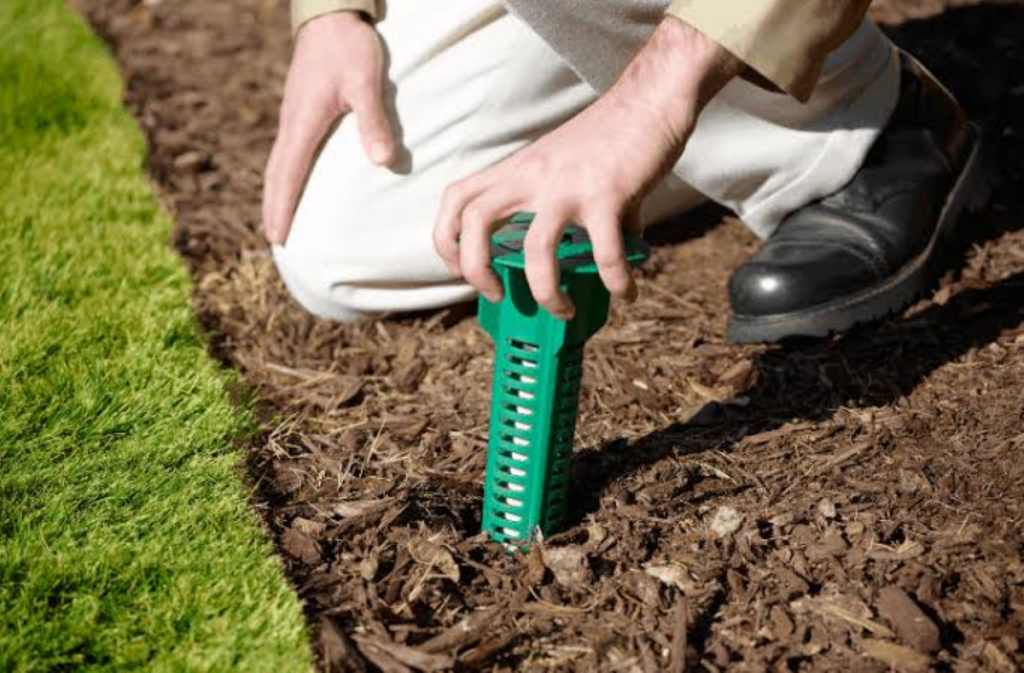
Baiting uses stations placed in the ground or near activity to attract termites to a food source that contains a slow-acting ingredient. The termites share it throughout the colony, which can reduce or eliminate the nest over time.

It is not instant, and it requires monitoring and re-baiting schedules. Many Australian properties use baiting as part of a broader pest control termite plan, especially where full perimeter treatment is difficult.

What is a chemical barrier and when do they use it?

A chemical barrier is a treated zone in soil around and sometimes under a structure, designed to stop termites reaching the building. It is often created by trenching and treating soil along the perimeter, and by drilling and injecting through paths like concrete next to walls.

They tend to recommend it when the home design allows a continuous treated zone. For pest control termite, barriers can be used as a standalone preventative method or combined with baiting for higher risk sites.
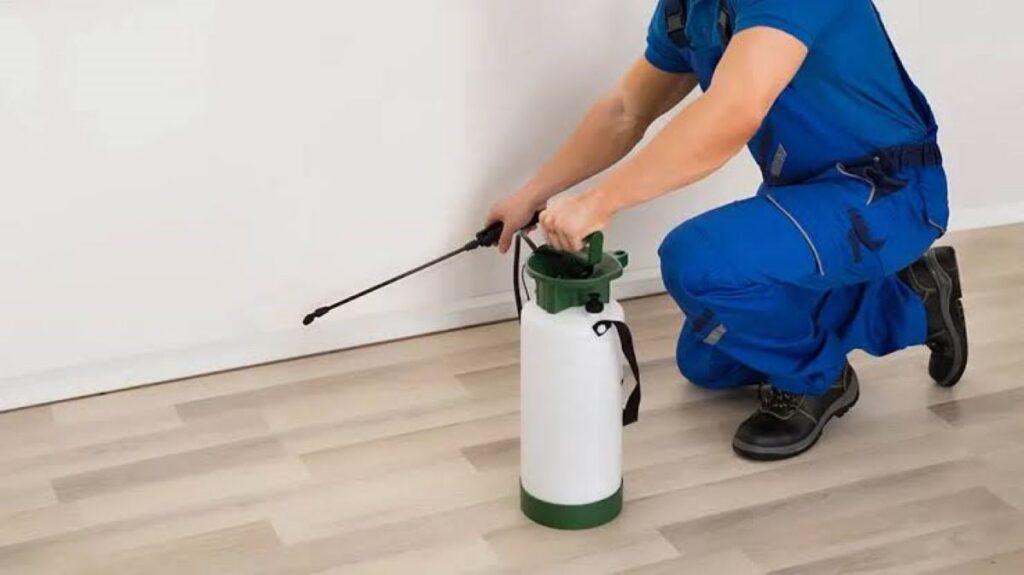
pest control termite

Can DIY termite sprays fix the problem?

DIY sprays may kill a few visible termites but rarely address the colony or the hidden entry points. Spraying can even make things worse by causing termites to move and re-route, making activity harder to track.

For that reason, most genuine pest control termite work is best handled by licensed professionals who can identify the species, the extent, and the safest treatment approach for Australian conditions.

How long does termite treatment take to work?

Timeframes depend on the method and the infestation. A liquid barrier can start working quickly as termites attempt to cross treated zones, while baiting can take weeks to months to reduce the colony.

What matters is confirmation and follow-up. With pest control termite, they should expect monitoring visits, updates, and a clear plan for what “success” looks like.

How often should they book termite inspections in Australia?

Many Australian standards and industry guidance point to at least annual inspections, though higher risk properties may benefit from more frequent checks. Risk can increase with nearby bushland, older homes, moisture issues, or previous termite history.

Even with a treatment in place, inspections remain essential. Pest control termite is not a “set and forget” job, because conditions around a home change over time.

What increases termite risk around a property?

Moisture is a major factor, so leaking taps, poor drainage, damp subfloors, and air-conditioning runoff can all raise risk. Landscaping can also contribute, especially if soil or mulch bridges weep holes or sits against the slab edge.

Timber in contact with soil, stored timber, and dense vegetation close to walls also increase opportunity. Reducing these factors supports any pest control termite strategy and helps treatments last.

What should they do if they find termites right now?

They should avoid disturbing the area, pulling timber apart, or spraying household insecticides. The best step is to document what they can see, limit access, and call a licensed termite technician promptly.

Early action can reduce the spread and cost. In urgent cases, pest control termite may start with rapid measures to stop feeding in critical areas, followed by a whole-of-property plan.

How do they choose a termite professional in Australia?

They should look for proper licensing, documented experience with termites, and clear written reporting. A good provider explains the method, the expected timeline, what is included, and what is excluded, without pressure or vague promises.

They should also ask what ongoing monitoring is required. For pest control termite, the best outcomes usually come from a provider who treats the property like a system, not a single spot problem.

What does termite control usually cost in Australia?

Costs vary widely based on the home size, access, construction type, and infestation severity. An inspection is typically a separate fee, and treatment costs depend on whether they choose baiting, a barrier, or a combined approach.

They should be cautious of quotes that skip inspection detail. For pest control termite, the value is in correct diagnosis, proper application, and a plan that prevents repeat issues.

Is termite protection ever “permanent”?

No treatment is truly permanent because termites are part of the Australian environment and conditions around a home can change. Products can have long residual performance, but they still need maintenance, inspections, and risk management.

The realistic goal is long-term risk reduction. A solid pest control termite programme combines treatment, monitoring, and property upkeep.
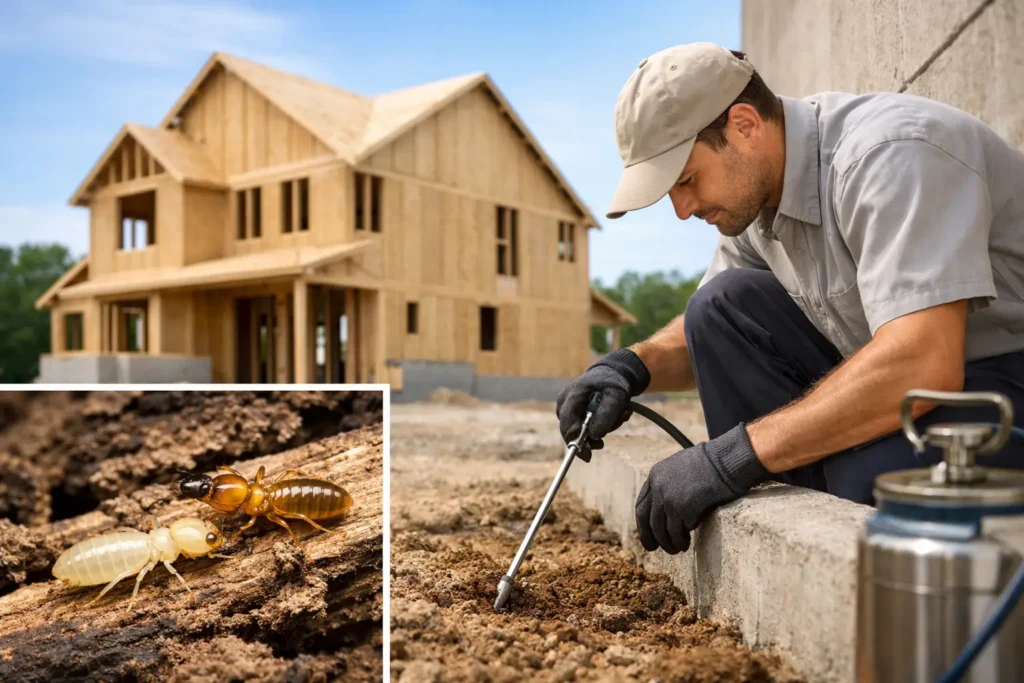
pest control termite

What is the simplest way to stay protected year-round?

They should book regular inspections, fix moisture issues quickly, and keep the building perimeter visible where possible. They should also avoid piling soil or mulch against the house and keep timber off the ground.

If they already have a barrier or baiting system, they should stick to the service schedule. In Australia, consistent pest control termite habits usually beat one-off reactions.

Related : What Changes the Price of Pest Control Sydney?

FAQs (Frequently Asked Questions)

What does pest control termite mean in Australia?

Pest control termite in Australia refers to the process of identifying termites, halting the active colony from feeding, and reducing the chance of their return. It involves a targeted approach based on termite species, their travel paths, and food sources, typically including an inspection, a treatment plan, and ongoing monitoring.

Why are termites such a serious concern for Australian homes?

Termites pose a significant threat because they feed on cellulose found in timber and many building products. In Australia’s warm climate with factors like subfloor humidity and garden irrigation, termite activity is common. They can silently damage structural elements like framing and flooring without obvious surface signs.

How can inspectors distinguish between active termites and old damage?

A thorough inspection differentiates active termites—confirmed by live insects, fresh mudding, or current timber workings—from historical damage which appears dry and abandoned. This distinction is crucial as active infestations require urgent treatment while old damage calls for prevention and repairs.

What are the most common warning signs of termite activity around an Australian house?

Early signs include mud tubes on brickwork or walls, soft or hollow-sounding timber, doors that stick suddenly, bubbling paint, fine cracks in skirting boards, and small pellets near damaged wood. Often these signs are subtle and first detected during professional inspections rather than by homeowners.

What methods are commonly used for termite treatment in Australia?

Common treatments include baiting systems that eliminate colonies over time, liquid termiticides creating chemical barriers to prevent entry, dusting in specific scenarios, and physical barriers. The choice depends on construction type and infestation status, aiming either to eradicate colonies or block termite access effectively.

Can DIY termite sprays effectively solve termite problems?

DIY sprays may kill visible termites but rarely address the entire colony or hidden entry points. Spraying can sometimes worsen the problem by causing termites to relocate. Therefore, professional pest control termite services by licensed experts are recommended for accurate identification and safe, effective treatment plans tailored to Australian conditions.

October 15, 2026

What Changes the Price of Pest Control Sydney?

Filed under: Pest & Termite Control — Adam Tudawali @ 4:09 am

The price of pest control can feel inconsistent because no two infestations are identical. When someone compares quotes, they are often comparing different pests, different levels of risk, and different treatment plans.

This guide breaks down what most commonly changes the price of pest control Sydney households and businesses are quoted, and what they can do to keep costs predictable.

What pest problem is being treated?

The pest type is one of the biggest drivers of cost because each pest needs different products, equipment, and follow-up. Cockroaches, ants, spiders and fleas are usually simpler than termites or bed bugs, which often need multi-step programmes.

When they ask about the price of best pest control Sydney, the first detail a provider will confirm is the pest and where it is active.

How severe is the infestation?

Severity changes labour time and how much product is required. A light issue may be handled in one visit, while heavy activity can require repeat treatments and more detailed work in roof voids, subfloors, wall cavities, and gardens.

The more established the problem, the more likely the price of pest control Sydney quotes will include follow-up or a broader treatment area.

How large is the property?

Bigger homes and sites typically cost more because there is simply more ground to cover. A small flat will usually take less time than a multi-storey home, and a large commercial space can take significantly longer again.

Property size is a practical factor in the price of pest control Sydney operators set because it affects time on site and treatment coverage.

How accessible are the problem areas?

Access issues often add time and complexity. Tight roof spaces, low subfloors, cluttered storerooms, steep blocks, locked plant rooms, and limited parking can all slow down the job.

If technicians cannot reach key harbourages safely, they may need a different approach, which can raise the price of pest control Sydney clients see on the final invoice.

Is it a general treatment or a targeted treatment?

General pest treatments are often priced as a standard service because the scope is predictable. Targeted treatments focus on a specific pest, entry point, or high-risk area and may involve extra inspection and more precise application.

When people compare the price of pest control Sydney companies advertise, they should check whether it is a broad general spray or a targeted solution.

Does the property have a history of recurring pests?

Recurring issues can indicate an underlying cause like moisture, food sources, nesting materials, or unsealed gaps. In those cases, the service may include monitoring, follow-up visits, or a stronger prevention plan.

A home with repeat activity may see a higher price of pest control Sydney quote because the provider is pricing for long-term control, not a quick knockdown.

What type of treatment method is needed?

Different methods have different costs. Sprays and dusts can be straightforward, while baits, gels, heat treatments, termite foam, or physical barriers may be more involved and require specialised products.

Method choice matters because it influences equipment, time, and repeat visits, which all flow into the price of pest control Sydney residents are offered.

Are termites involved, and is a report required?

Termites are priced differently because the risk is higher and the inspection process is detailed. A proper termite inspection can include moisture checks, subfloor and roof void assessment, and a written report that supports decision-making.

If they are budgeting for the price of pest control Sydney termite work, they should expect separate costs for inspection, treatment, and any ongoing management plan.

Is the job urgent or after-hours?

Same-day bookings, weekend callouts, and after-hours attendance can cost more because they disrupt scheduling and may require technicians to travel at less efficient times. Urgent situations also tend to involve stressed occupants and higher expectations for immediate results.

If someone needs rapid attendance, that urgency can lift the price of pest control Sydney providers charge.

best pest control Sydney

Is follow-up included, and what guarantee is offered?

Some services include a follow-up visit, while others price it separately. Guarantees vary too, from limited periods on certain pests to broader cover if the property meets conditions such as sanitation and entry-point sealing.

When comparing the price of pest control Sydney quotes, they should ask what happens if pests return and whether re-treatments are included.

Other Resources : Official control of plant pests and diseases

How much prep does the client need to do?

Preparation affects time on site. For example, a flea job may require vacuuming, washing pet bedding, and clearing floors. A kitchen cockroach treatment may need cupboards cleared and worktops emptied to reach harbourages properly.

If clients cannot complete prep, technicians may need extra time, which can increase the price of pest control Sydney customers ultimately pay.

What risks are present for kids, pets, and sensitive environments?

Homes with babies, elderly occupants, fish tanks, reptiles, or allergies can require more careful product selection and application. Some sites also have rules, such as childcare centres, cafés, and medical settings, where chemical use is controlled.

Extra care and compliance can influence the price of pest control Sydney services charge, especially when low-odour or specific formulations are required.

Are there entry points or building issues that need addressing?

Many infestations persist because pests keep getting in. Gaps under doors, broken screens, weep holes, cracked external seals, and garden-to-wall contact can all allow movement into living spaces.

While pest control is not building repair, some providers include basic exclusion advice, and others offer minor sealing as an add-on, which can change the price of pest control Sydney quotes they provide.

Does the season or weather change the workload?

Sydney’s weather patterns can change pest pressure. Warm, humid conditions often increase cockroach and ant activity, while heavy rain can push spiders and rodents into sheltered areas. Seasonal surges also affect booking availability.

During high-demand periods, the price of pest control Sydney services may be less flexible, especially for urgent slots.

Is it residential or commercial pest control?

Commercial sites can cost more due to compliance needs, documentation, and site complexity. Restaurants, warehouses, strata buildings, and offices often require service logs, scheduled visits, and a programme that aligns with audits or tenancy agreements.

If they are comparing the price of pest control Sydney for a business versus a home, they should expect differences in scope, reporting, and frequency.

What questions should they ask to avoid surprise costs?

They can reduce pricing surprises by asking a few direct questions before booking. A clear scope makes it easier to compare like-for-like quotes and avoid hidden add-ons.

Useful questions include:

  • What pests are included in this service?
  • How many visits are included, and what triggers a return visit?
  • Is a warranty offered, and what are the conditions?
  • What preparation is required before arrival?
  • Are there any access limitations that could change the cost onsite?
  • Will they receive a written report or service sheet?

These checks help them understand whether the price of pest control Sydney they are quoted matches the result they expect.

best pest control Sydney

How can they keep pest control costs down long term?

The most reliable way to reduce future cost is to prevent reinfestation. Good hygiene, sealed food storage, fixing leaks, trimming vegetation away from walls, and sealing obvious gaps can cut pest pressure dramatically.

When they combine prevention with a sensible maintenance schedule, they often stabilise the price of pest control Sydney over the year because problems are treated early, before they become expensive.

Related : Pest Control Termite Explained Without the Jargon

FAQs (Frequently Asked Questions)

What factors influence the price of pest control in Sydney?

The price of pest control in Sydney varies due to several factors including the type of pest being treated, severity of infestation, property size, accessibility of problem areas, treatment method required, and whether follow-up visits or guarantees are included.

How does the type of pest affect the cost of pest control services in Sydney?

Different pests require different products, equipment, and treatment approaches. For example, cockroaches and ants generally need simpler treatments compared to termites or bed bugs which often require multi-step programmes, leading to higher costs.

Why does the severity of infestation impact pest control pricing in Sydney?

Severe infestations require more labour time, larger quantities of product, and possibly multiple visits. This increases the complexity and duration of treatment, resulting in higher prices compared to light infestations that can be resolved quickly.

Does property size affect pest control prices in Sydney?

Yes, larger properties typically cost more to treat because they require more time and coverage. A small flat usually takes less time than a multi-storey home or a large commercial space, influencing the overall price.

Are there additional costs for urgent or after-hours pest control services in Sydney?

Urgent bookings such as same-day service, weekend callouts, or after-hours attendance often incur extra charges due to scheduling disruptions and technician availability outside regular hours.

What should I consider about follow-up visits and guarantees when comparing pest control quotes in Sydney?

Some providers include follow-up visits and guarantees as part of their service, while others charge separately. It’s important to ask if re-treatments are included and what conditions apply to guarantees to ensure long-term pest management.

October 6, 2026

Scaffold Shade Cloth Lifespan and UV Rating Considerations Explained

Filed under: Scaffolding — Adam Tudawali @ 1:55 am

What is scaffold shade cloth actually designed to do?

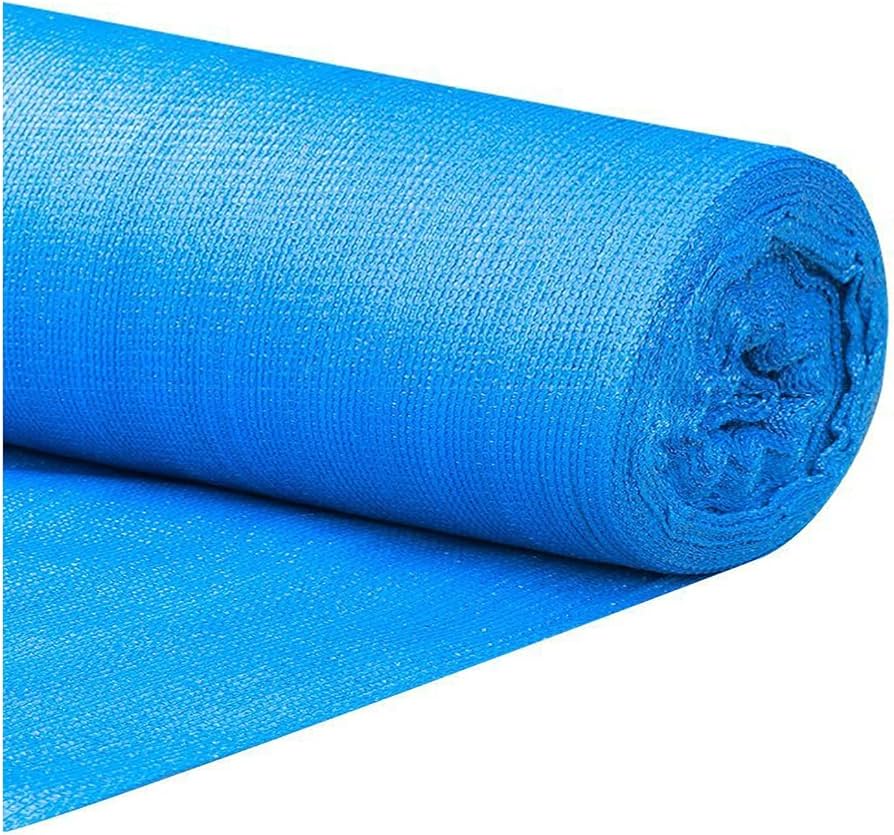
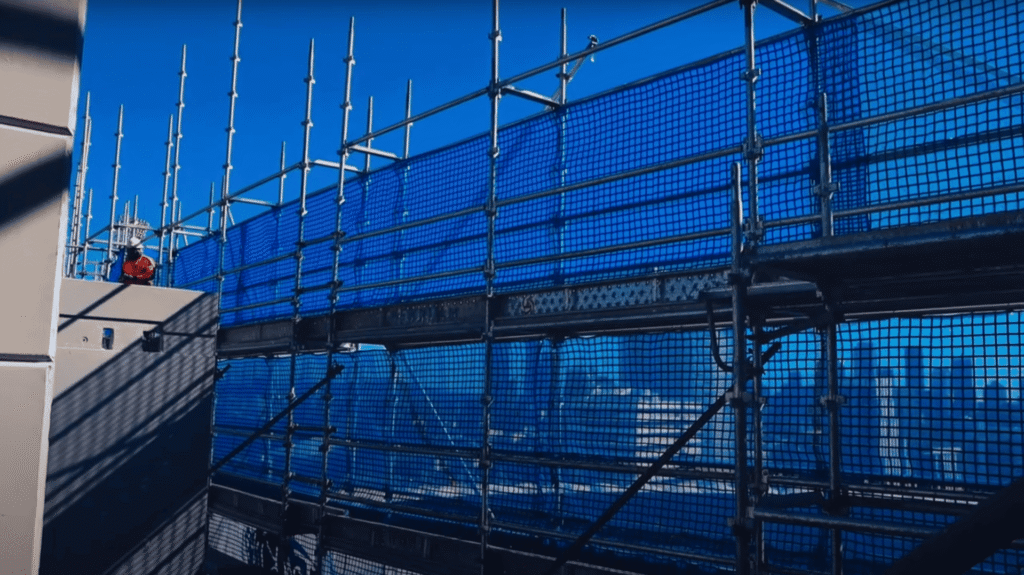
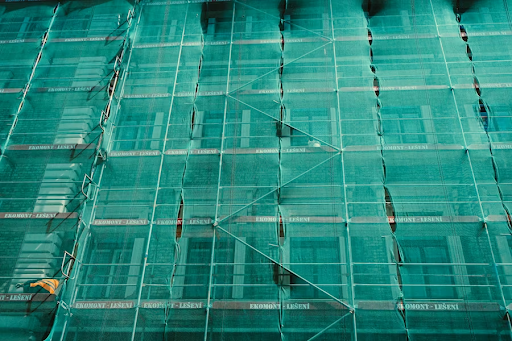
Scaffold shade cloth is designed to reduce sun, wind, and airborne dust while improving privacy and site presentation. It also helps manage heat on work faces, which can support safer work practices during Australian summers.

Most products are woven HDPE (high-density polyethylene) with UV inhibitors. They are commonly used on commercial scaffolds, residential wraps, temporary fencing, and event builds where sun and wind control matters.

How long does scaffold shade cloth last in Australian conditions?

In typical Australian conditions, scaffold shade cloth often delivers a practical service life of about 6 to 24 months on active sites, depending on exposure and handling. Some higher-spec products can last longer if they are installed well and removed carefully between projects.

Harsh UV, coastal wind, and repeated installation cycles shorten life fast. Even if the cloth looks fine from a distance, fibres can embrittle and tear strength can drop well before it visually fails.

What does a UV rating mean on shade cloth in Australia?

A UV rating usually describes how much ultraviolet radiation the fabric blocks, often expressed as a percentage. For example, a “90% UV block” claim generally means it reduces UV transmission significantly, but it does not always describe how long the fabric will resist UV damage.

This is where buyers can get caught. UV blockage relates to shade performance, while UV stability relates to lifespan. Scaffold shade cloth can block plenty of UV on day one and still degrade quickly if the polymer and additives are not suited to long exposure.

Is UV block the same as UV stability for scaffold shade cloth?

No. UV block is about protection under the cloth, while UV stability is about how long the material itself survives in the sun. They should look for both, especially if scaffold shade cloth will stay up for months on a northern face.

UV stability is influenced by resin quality, UV inhibitor package, weave density, and sometimes coatings. Without decent UV stability, the cloth can go chalky, brittle, and prone to tearing even if it still “shades” well.

Which Australian site conditions shorten shade cloth lifespan the most?

Coastal sites, high-wind corridors, and full-sun exposures shorten lifespan the most. Salt spray can speed up fibre ageing, and strong winds create constant flapping that acts like fatigue loading on the weave.

High-UV regions and reflective environments also matter. Light-coloured concrete slabs, pale walls, and metal roofing can bounce UV into the cloth from multiple angles, which accelerates degradation in scaffold shade cloth installed close to façades.

Scaffold Shade Cloth Lifespan and UV Rating Considerations Explained

How does wind load and flapping affect scaffold shade cloth life?

Wind load is one of the biggest silent killers. Flapping causes micro-tears at yarn intersections, stretches fix points, and can start zipper-like rips once a small tear forms.

They can reduce this by tensioning properly, using correct tie spacing, and avoiding loose edges. If scaffold shade cloth is installed like a sail, it will behave like one, and fatigue failure becomes a matter of time.

Do different shade percentages change how long scaffold shade cloth lasts?

Yes, indirectly. Heavier, denser weaves (often higher shade factor) can be more robust, but they also catch more wind if the wrap is not tensioned and vented correctly.

A lighter weave may flap less if air passes through it, yet it can also have lower tear strength and may degrade sooner if the yarns are thinner. They should match scaffold shade cloth shade factor to exposure, height, and wind conditions, not just visual privacy.

What installation choices help scaffold shade cloth last longer?

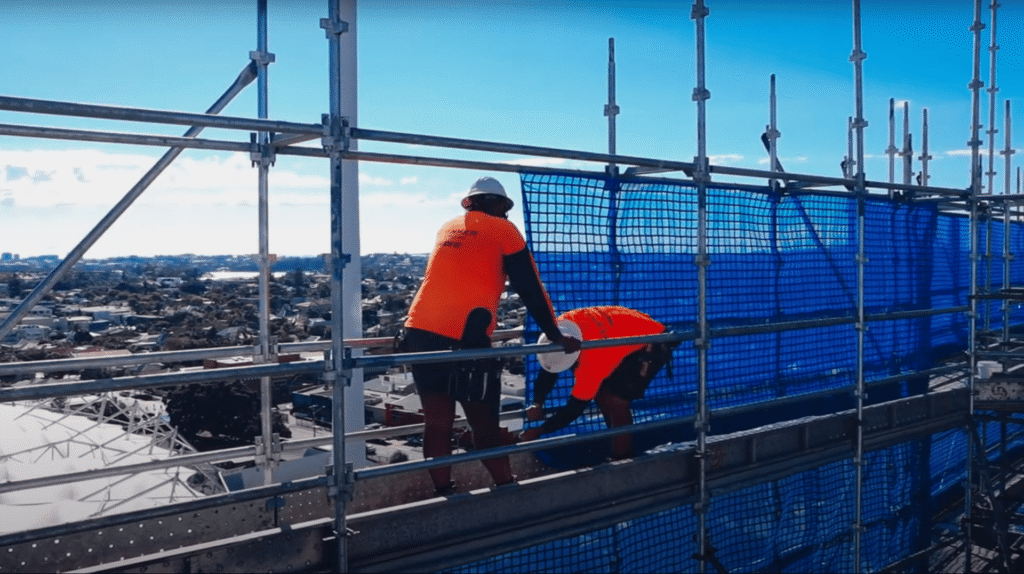
Good installation can add months of life. They should tension evenly, keep fixings consistent, and avoid sharp contact points that saw through fibres.

Key practices include using rated ties or clips, reinforcing corners, and keeping the cloth away from abrasive edges. During scaffold shade cloth installation, the material should not be dragged across brickwork, caught beneath toe boards, or pinched by couplers, as these actions can create weak points that become more vulnerable to UV exposure over time.

How often should scaffold shade cloth be inspected on an active site?

They should inspect it at install, after major wind events, and at least weekly on longer projects. Quick checks often spot early tearing, loose ties, and abrasion marks before a panel fails.

If the site is near the coast or the scaffold is very high, inspections should be more frequent. Scaffold shade cloth failures at height can become debris risks, so catching a small tear early is far cheaper than replacing full runs.

What are the most common signs scaffold shade cloth is nearing end of life?

The clearest signs are brittleness, fading, frayed edges, and tears that spread easily when pulled by hand. They may also notice the weave opening up, creating uneven shade and a rough, powdery feel.

Grommets pulling out and tie holes elongating are also red flags. When scaffold shade cloth starts failing at attachment points, the rest of the sheet is usually not far behind, even if the middle looks acceptable.

Can scaffold shade cloth be reused from one project to the next?

Yes, but only if it is removed and stored correctly and still has strength. Reuse makes sense when panels come down cleanly, have minimal UV embrittlement, and have not been cut up to fit odd bays.

They should avoid reusing sheets with multiple patched tears or stretched edges. Scaffold shade cloth that has lost tensile strength can fail suddenly in wind, which creates avoidable risk and rework.

How should scaffold shade cloth be stored to preserve lifespan?

It should be cleaned, dried, rolled, and stored out of direct sunlight. Damp storage encourages mildew staining, and UV exposure in a yard can quietly age stock before it even returns to site.

They should keep scaffold shade cloth away from chemicals, sharp tools, and hot surfaces. In Australian summers, storage inside a sealed metal container can also get very hot, so ventilation and shading are worthwhile.

What UV rating should they choose for Australian construction projects?

They should choose based on exposure time, location, and compliance expectations rather than a single percentage. For short projects, a mid-range UV block may be adequate if the fabric is tough and installed correctly.

For long runs on exposed façades, higher UV block and proven UV-stable formulations are safer bets. Scaffold shade cloth used in Queensland, WA, and northern NSW often benefits from higher UV performance because the sun load is more punishing across the season.

Are there compliance or procurement checks they should run before buying?

They should request a product data sheet that clearly states shade factor, UV block, fabric weight (GSM), and intended application. If claims are vague, they should treat them as marketing rather than specification.

They should also check that scaffold shade cloth suits the scaffold system, tie method, and site rules. Some principal contractors require certain colours, branding, or fire performance characteristics for high-risk projects, so procurement should confirm requirements early.

How do they balance lifespan, UV rating, and cost without overbuying?

They should buy for the exposure profile, not for perfection. If the job is eight weeks in suburban Melbourne, it may be smarter to pick a durable mid-spec cloth and install it well than to overspend on a premium fabric.

If the project is a long refurbishment on the coast, premium options can pay back quickly in fewer replacements and less downtime. Scaffold shade cloth becomes expensive when it fails mid-project, not when it is slightly higher in upfront cost.

What is a practical decision checklist for scaffold shade cloth selection?

They can decide quickly by checking a few job-specific factors. If these are answered clearly, the right scaffold shade cloth option usually becomes obvious.

  • How long will it stay installed, and on which faces (north and west are harsher)?
  • Is the site coastal, high-wind, or in a UV-intense region?
  • What shade factor is needed for privacy, heat, or glare control?
  • What GSM and tear strength suit the scaffold height and tie spacing?
  • Can their team install it tight, inspect it weekly, and store it correctly?

What is the simplest takeaway on lifespan and UV ratings?

The lifespan of scaffold shade cloth is largely influenced by UV stability, wind fatigue, and how the material is handled, while UV ratings generally describe its shading performance. They should review product specifications carefully, follow correct installation practices, and include regular inspections when assessing the overall value of scaffolding mesh vs shade cloth.

When scaffold shade cloth is matched to Australian conditions and managed well, it stays safer, looks better, and avoids the cycle of constant tearing and replacement.

FAQs (Frequently Asked Questions)

What is the primary purpose of scaffold shade cloth on construction sites?

Scaffold shade cloth is designed to reduce sun exposure, wind, and airborne dust while enhancing privacy and site presentation. It helps manage heat on work faces, supporting safer work practices during Australian summers by providing shade and wind control.

How long does scaffold shade cloth typically last under Australian conditions?

In typical Australian conditions, scaffold shade cloth usually provides a practical service life of about 6 to 24 months on active sites. Lifespan depends on factors such as UV exposure, coastal winds, handling, and installation quality. Harsh environments and repeated installation cycles can shorten its durability.

What is the difference between UV block and UV stability in scaffold shade cloth?

UV block refers to the fabric’s ability to reduce ultraviolet radiation transmission, often expressed as a percentage indicating shade performance. UV stability relates to how long the material itself resists UV damage over time. A high UV block doesn’t guarantee long-lasting UV stability; both should be considered when selecting scaffold shade cloth for prolonged exposure.

Which environmental factors most affect the lifespan of scaffold shade cloth in Australia?

Coastal sites with salt spray, high-wind corridors causing constant flapping, full-sun exposures, and reflective environments like light-coloured concrete or metal roofing significantly shorten scaffold shade cloth lifespan. These conditions accelerate fibre ageing, embrittlement, and tearing.

How does proper installation influence the durability of scaffold shade cloth?

Proper installation extends scaffold shade cloth life by ensuring even tensioning, consistent fixings, reinforced corners, and avoiding sharp contact points that can damage fibres. Using rated ties or clips and preventing dragging or pinching of the cloth reduces abrasion and fatigue failures caused by wind load and flapping.

How often should scaffold shade cloth be inspected during active projects?

Scaffold shade cloth should be inspected at installation, after major wind events, and at least weekly on longer projects. More frequent inspections are advised near coastal areas or for very high scaffolds to detect early signs of tearing, loose ties, or abrasion before panel failure occurs, minimizing debris risks.

October 4, 2026

Scaffolding Mesh vs Shade Cloth: Which Offers Better Protection?

Filed under: Construction Safety — Adam Tudawali @ 1:55 am

This guide compares scaffolding mesh vs shade cloth in practical, on-site terms so they can decide confidently.

What is scaffolding mesh, and what is shade cloth?

Scaffolding mesh is a permeable barrier typically fixed to scaffolding to reduce wind load while helping contain dust and light debris. Shade cloth is a knitted fabric designed primarily to reduce sunlight and heat, often used for temporary shade around worksites and outdoor areas.

When comparing scaffolding mesh vs shade cloth, the key difference is purpose: mesh is usually about site containment and safety, while shade cloth is about sun control.

Which offers better containment for dust and debris?

Scaffolding mesh generally offers better containment for airborne dust and small debris than shade cloth. Its structure is intended for wrapping scaffold runs and creating a more consistent barrier along the work face.

In scaffolding mesh vs shade cloth, shade cloth can still slow dust, but it is usually chosen for shading rather than containment, so performance can vary by knit and shade rating.

Which reduces wind impact more effectively on Australian sites?

Scaffolding mesh is typically the better choice for managing wind because it is designed to let air pass through while reducing gust impact. This helps lower wind load compared with solid sheeting, which matters on elevated scaffolds in coastal or exposed Australian locations.

In scaffolding mesh vs shade cloth, shade cloth can also be breathable, but it is not always specified or installed with wind management as the primary goal.

Which provides better sun and UV protection for workers and materials?

Shade cloth is usually stronger for sun and UV reduction, especially in high-UV Australian conditions. It is often selected by shade percentage, making it easier to plan protection for workers, curing materials, or temperature-sensitive tasks.
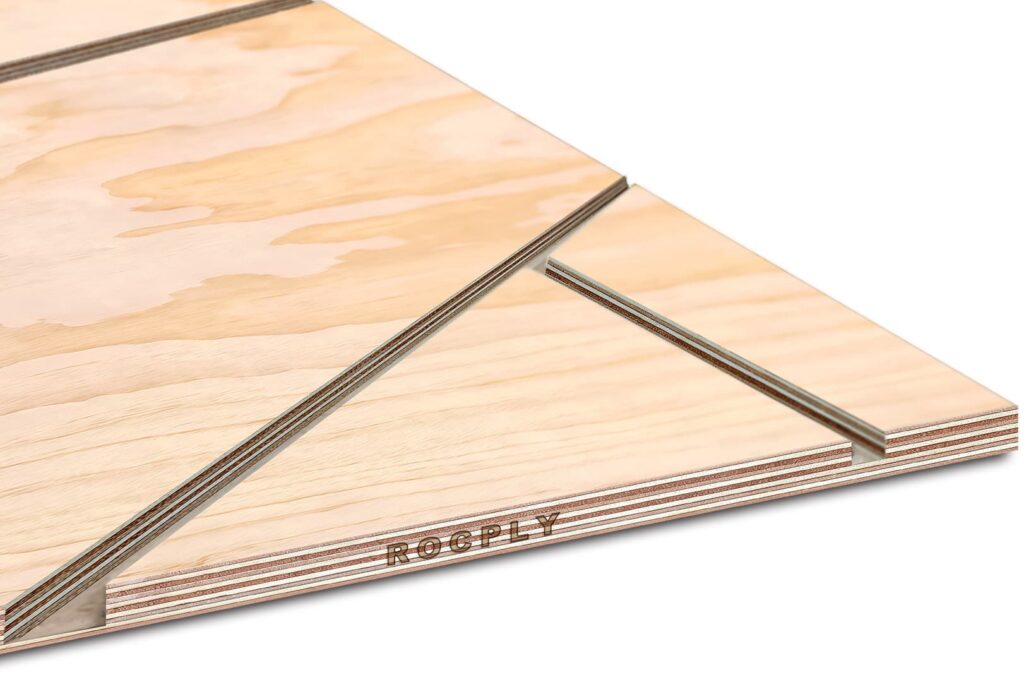
For scaffolding mesh vs shade cloth, mesh may reduce glare and some sunlight, but shade cloth is typically more predictable when heat stress and sun exposure are the main concern.

Scaffolding Mesh vs Shade Cloth: Which Offers Better Protection?

Which performs better in rain and moisture?

Neither option is a true waterproofing system, but scaffolding mesh generally dries quickly and maintains airflow, reducing the chance of trapped moisture. Shade cloth can also dry quickly, though heavier grades may hold water longer depending on weave and installation.

In scaffolding mesh vs shade cloth, mesh is often preferred when they want a breathable wrap that does not create a sail effect or trap moisture against the scaffold line.

Which is better for privacy and visual screening?

Both can provide screening, but many scaffolding mesh products are made specifically to limit visibility into a site while keeping airflow. Shade cloth can also screen effectively, particularly darker colours and higher shade ratings.

In scaffolding mesh vs shade cloth, mesh tends to look more like a construction-grade site barrier and is commonly used where they want a consistent façade along commercial works.

Which is easier and faster to install on scaffolding?

Scaffolding mesh is typically quicker to fit on scaffolds because it is commonly supplied in rolls sized for scaffold bays and fixed using ties, clips, or lacing. Shade cloth can be installed similarly, but it may need more trimming and reinforcement depending on the shape of the area.

For scaffolding mesh vs shade cloth, the installation winner is usually mesh when the goal is a neat, continuous scaffold wrap with minimal custom cutting.

Which is more durable under Australian UV and site wear?

Durability depends on GSM, UV stabilisation, and how it is tensioned, but scaffolding mesh is often chosen for harsh site handling and repeated use. Shade cloth varies widely, from residential garden grades to heavy-duty commercial options.

In scaffolding mesh vs shade cloth, they should check UV-stabilised ratings and tear resistance, especially for projects in Queensland, the Northern Territory, and exposed coastal New South Wales where UV and wind can punish lighter materials.

Which is safer around edges, falls, and loose materials?

Scaffolding mesh is commonly used as part of a broader approach to site safety, particularly where they want to reduce the chance of small items dropping from platforms. It does not replace guardrails, toe boards, or debris netting where required, but it can add a layer of protection.

In scaffolding mesh vs shade cloth, shade cloth is less commonly specified for containment on working scaffolds, so it is usually a secondary option unless they have a clear shading-led reason.

Which is more cost-effective over a full project?

Scaffolding mesh can be a cost-effective option for scaffold wrapping because it is purpose-made, quick to install, and reusable when handled correctly. Shade cloth may have a lower price per metre in some grades, but heavier-duty, UV-stabilised commercial products can become comparable in cost once fixings and reinforcement are included. Comparing scaffold wrapping materials should therefore account for the complete installation cost, not just the material price.

For scaffolding mesh vs shade cloth, cost should be measured against reusability, damage rate, and the real objective, such as containment versus shading.

What should they consider for compliance and site expectations in Australia?

They should align the choice with the site’s risk controls, client expectations, and any local requirements for containment, public protection, and amenity. On busy footpaths in Sydney, Melbourne, or Brisbane, containment and presentation often matter as much as comfort on the scaffold.

In scaffolding mesh vs shade cloth, mesh is more commonly associated with scaffold compliance setups, while shade cloth is more common for shade structures, temporary screens, and worker comfort zones.

When does scaffolding mesh make more sense?

Scaffolding mesh usually makes the most sense when they need containment, wind permeability, and a consistent scaffold wrap. It suits façade works, painting, light demolition, remediation, and projects near the public where dust drift and visual screening matter.

If the decision is scaffolding mesh vs shade cloth and the priority is a construction-first barrier, mesh is typically the safer default.

When does shade cloth make more sense?

Shade cloth usually makes the most sense when they need heat and glare reduction, shaded work areas, or protection for materials that should not sit in direct sun. It is also useful for temporary fencing screens, site break areas, and garden or landscape works.

If scaffolding mesh vs shade cloth comes down to worker comfort and UV control, shade cloth is often the better tool.

Can they combine both for better protection?

Yes, they can combine both when the site needs different outcomes in different zones. For example, they might wrap the scaffold work face with mesh for containment, then add shade cloth over a break area or over sensitive materials to reduce heat and UV.

In scaffolding mesh vs shade cloth, the best protection is sometimes a layered approach rather than choosing only one product.

What is the simplest way to choose the right option?

They should decide based on the primary risk: dust and debris, wind exposure, UV and heat, privacy, or public interface. If containment and scaffold wrapping is the core requirement, mesh is usually the first pick; if sun control is the core requirement, shade cloth is usually the first pick.

For most Australian projects comparing scaffolding mesh with shade cloth, the suitable choice depends on the site’s main hazard, the required level of protection, and how the material will be installed and maintained. Considering scaffold shade cloth lifespan alongside site conditions can help teams select and manage the appropriate material for the job.

FAQs (Frequently Asked Questions)

What is the main difference between scaffolding mesh and shade cloth?

The key difference lies in their primary purpose: scaffolding mesh is designed mainly for site containment, safety, and reducing wind load, while shade cloth is intended primarily for sun and heat reduction to provide comfort and UV protection.

Which material offers better containment for dust and debris on construction sites?

Scaffolding mesh generally offers superior containment for airborne dust and small debris compared to shade cloth, as it is specifically structured to wrap scaffold runs and create a consistent barrier along the work face.

How do scaffolding mesh and shade cloth compare in managing wind impact on Australian construction sites?

Scaffolding mesh is typically more effective at managing wind because it allows air to pass through while reducing gust impact, lowering wind load on elevated scaffolds. Shade cloth can be breathable but is not always specified for wind management purposes.

Which provides better sun and UV protection for workers and materials in high-UV Australian environments?

Shade cloth usually offers stronger sun and UV protection, especially with selectable shade percentages, making it ideal for shielding workers, curing materials, or temperature-sensitive tasks. Scaffolding mesh may reduce glare but is less predictable for heat stress concerns.

Are scaffolding mesh or shade cloth more durable under harsh Australian UV exposure and site conditions?

Durability depends on factors like GSM, UV stabilisation, and tensioning. Scaffolding mesh is often chosen for harsh site handling and repeated use due to its robust design. Shade cloth varies widely; commercial-grade options with UV stabilisation are necessary for exposed locations to ensure longevity.

Which option is more cost-effective over the duration of a full construction project in Australia?

Scaffolding mesh tends to be more cost-effective because it is purpose-made for scaffold wrapping, quick to install, and reusable when properly handled. While some grades of shade cloth may be cheaper per metre, heavier-duty commercial versions with necessary fixings can match or exceed mesh costs when factoring in durability and reusability.

August 12, 2026

10 Signs Sydney Homeowners Tackling Household Projects Need Retail Cleaning Sydney

Filed under: Home & Gym Maintenance — Adam Tudawali @ 12:24 pm

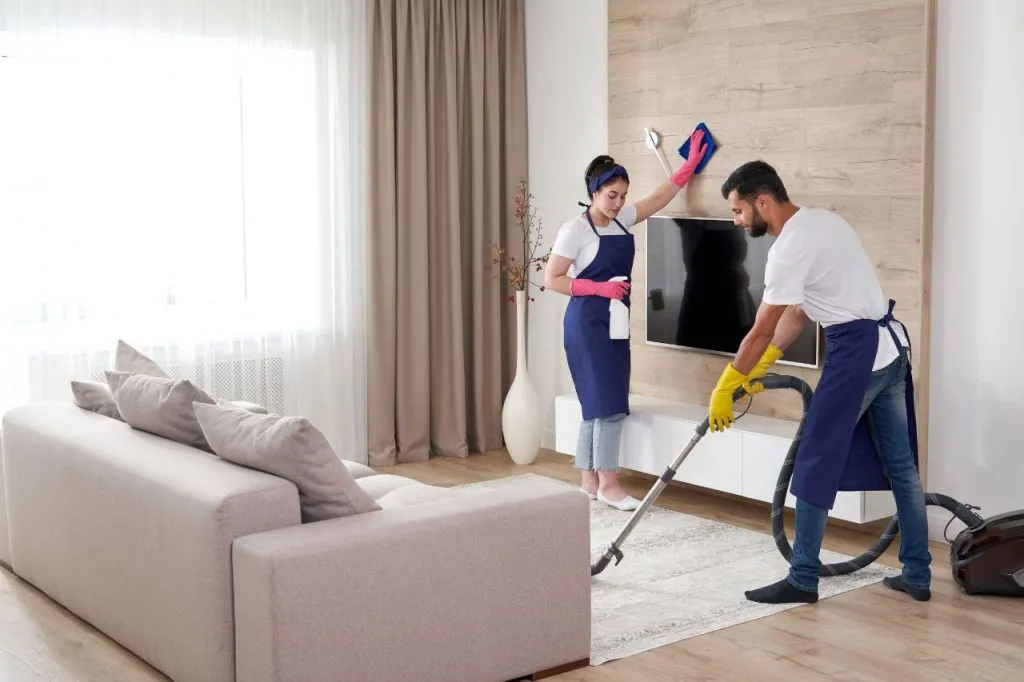
This guide covers ten clear signs they may need retail cleaning Sydney, especially when projects spill into living spaces, garages, and shared areas.

Are they renovating and finding dust keeps coming back?

They may need help if fine dust returns within hours of wiping surfaces, even with windows closed. Renovation dust can settle into vents, skirting boards, blinds, and soft furnishings, then re-circulate through the home.

Retail cleaning Sydney is useful here because it targets the hidden buildup that regular wipe-downs miss, helping improve air comfort and reducing the gritty film on floors and benchtops.

Is the project creating more rubbish than council bins can handle?

They likely need support when offcuts, packaging, old fixtures, and broken tiles pile up faster than weekly collections. Even with a trip to the local tip, overflow can linger in the garage, side path, or spare room.

With retail cleaning Sydney, they can get a structured clean-up that clears surfaces, makes rooms usable again, and reduces the chance of sharp or hazardous debris being tracked through the house.

10 Signs Sydney Homeowners Tackling Household Projects Need Retail Cleaning Sydney

Are paint splatters, grout haze, or residue spreading beyond the work zone?

They may be past the DIY clean stage if paint mist lands on door handles, grout haze dulls tiles, or adhesive residue sticks to floors. These marks often look minor until sunlight hits them or guests point them out.

Retail cleaning Sydney can help remove residue safely with the right products and techniques, avoiding damage to finishes like engineered timber, stone, and modern matte cabinetry.

Are they losing time because cleaning is eating the weekends?

They may need a reset when their Saturday becomes “cleaning day” every week, and the project still drags on. Constant tidying can become a productivity trap, especially when multiple rooms are half-finished.

By using retail cleaning Sydney, they can reclaim time and keep momentum on the project while still maintaining a liveable home, especially in busy parts of Sydney where schedules are tight. A home cleaning organisation guide can also help homeowners create efficient routines and keep spaces manageable during renovation or busy periods.

Is the home starting to feel unsafe to walk through?

They should take it seriously if extension cords, tools, drop sheets, and debris create trip hazards in hallways or near stairs. Safety risks rise quickly in family homes with kids, pets, or older relatives visiting.

Retail cleaning Sydney can help restore clear walkways and reduce slip and trip risks, particularly after sanding, demolition, or tiling when dust and grit make floors unexpectedly slippery.

Are they finishing a project but the space still doesn’t look “done”?

They may be in the common post-project slump where the room is technically finished, but it still feels messy. That is often because skirting boards are dusty, windows are smeared, and corners hold leftover debris.

A detailed pass from retail cleaning Sydney can deliver that final “reveal” effect, where surfaces look crisp, light reflects properly, and the space finally matches the effort they put in.

Are they preparing for visitors, inspections, or a property listing?

They may need professional support when they are hosting family, expecting a landlord inspection, or meeting an agent for photos. Project mess can make even a well-kept home feel chaotic, especially in smaller Sydney terraces and apartments.

Retail cleaning Sydney can help bring the home to a consistent standard quickly, so the focus stays on the property and not the dust on the sills or smudges on glass.

Is their garage, laundry, or spare room turning into a storage zone?

They may need help when “temporary” stacks become permanent, and important areas stop functioning. Garages become tool dumps, laundries become paint storage, and spare rooms become half-built furniture warehouses.

With retail cleaning Sydney, they can reset those zones, clear floors, and make the spaces usable again, which also reduces the chance of mould, pests, and stale odours in enclosed areas. Following a commercial space cleaning checklist can also help maintain cleaner environments and support better hygiene in areas that require regular attention.

10 Signs Sydney Homeowners Tackling Household Projects Need Retail Cleaning Sydney

Are allergies, odours, or indoor air issues getting worse during the project?

They may notice sneezing, itchy eyes, or lingering smells from paint, adhesive, or damp materials. Even when products are low-VOC, dust and moisture can still affect comfort, especially in humid coastal Sydney suburbs.

Retail cleaning Sydney can help reduce dust load and remove grime that traps smells, helping the home feel fresher while the project continues, particularly when windows cannot stay open all day.

Are they unsure what “good” cleaning looks like after a major mess?

They may be stuck if they do not know which products are safe for their surfaces, or how to clean without spreading dust. Many DIY efforts push grime around rather than removing it, especially after sanding gyprock or cutting MDF.

A retail cleaning Sydney team can follow a consistent method, target high-contact points, and lift buildup properly, so the home does not return to “dirty” the moment someone walks through.

What should they do next if several signs match?

If two or three signs apply, they should plan a targeted clean around the project schedule, not after it collapses into chaos. The earlier they bring in retail cleaning Sydney, the easier it is to keep the home comfortable and safe while work continues. Following gym floor cleaning and maintenance tips can also help homeowners understand effective cleaning routines, reduce surface damage, and maintain cleaner flooring during renovation or high-traffic periods.

If they want the simplest approach, they can list the worst-hit rooms, note the surfaces involved, and book a clean timed right after the messiest stage, such as sanding, demolition, or final installation.

August 6, 2026

Everything Sydney Homeowners Tackling Household Projects Should Know About Gym Cleaning Sydney

Filed under: Facility Maintenance & Hygiene — Adam Tudawali @ 12:24 pm

This guide explains what matters most when they’re planning, cleaning, or outsourcing a home gym reset, with practical, Sydney specific considerations for products, air quality, and safe routines.

What does Gym Cleaning Sydney actually cover for a home setup?

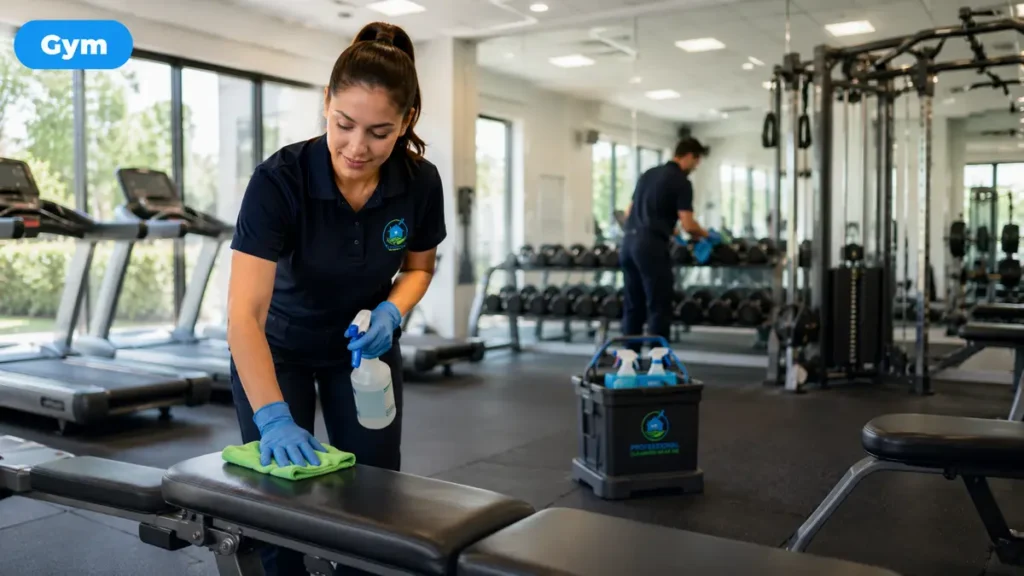
Gym Cleaning Sydney for a home gym usually means deep cleaning the high contact zones, sanitising equipment surfaces, tackling sweat odour sources, and removing dust that impacts air quality. It also includes floor care matched to rubber, vinyl, timber, or tile.

For Sydney homes, it helps to treat the gym like a mini wet area plus workshop. The goal is a space that feels clean, dries properly, and stays easy to maintain between sessions.

Why do Sydney garages and spare rooms get so dirty as gyms?

Sydney garages and converted rooms collect fine dust, vehicle residue, garden debris, and moisture, then workouts add sweat salts and skin oils. That mix sticks to rubber mats, benches, and handles, making grime build quickly.

Humidity swings after rain can worsen odours and encourage mould in corners, under mats, and around skirting. If they store paint tins, potting mix, or tools nearby, the airborne dust load goes up again.

When should they book Gym Cleaning Sydney instead of doing it themselves?

They should consider Gym Cleaning Sydney when the gym smells even after wiping gear, when dust returns within a day, or when grime is embedded in textured flooring. It also makes sense after renovations, wall sanding, or a garage clear out.

If anyone in the household has asthma or allergies, a deeper clean that targets dust reservoirs can be worth prioritising. The same applies when they are preparing the home for sale or a rental inspection.

What are the highest risk touchpoints in a home gym?

The highest risk touchpoints are any surfaces repeatedly handled with sweaty hands. That includes dumbbell grips, kettlebell handles, pull up bars, bench adjustment levers, treadmill rails, and resistance band anchors.

Phones, remotes, and water bottles often carry germs back onto cleaned surfaces. A simple rule helps: if it’s handled mid workout, it belongs in the “wipe every session” list.

How should they clean rubber gym flooring without damaging it?

They should vacuum first with a brush head to lift grit from grooves, then mop with a pH neutral cleaner diluted to label directions. Overly harsh detergents can dry out rubber and leave a slippery residue. Following a rubber flooring maintenance guide can also help users choose suitable cleaning methods and protect the surface from premature wear.

Sydney homeowners should also lift and air mats occasionally, especially after humid weeks. If water sits underneath, odours and mould can develop where they cannot see it.

What’s the safest way to disinfect equipment without wrecking the finish?

They should use a mild detergent clean first, then apply a disinfectant suitable for hard, non porous surfaces, checking dwell time. Many finishes dislike bleach, high alcohol concentrations, and abrasive pads, especially on coated metal and vinyl.

Microfibre cloths work well because they remove oils instead of smearing them. For screens and consoles, they should follow the manufacturer’s guidance and avoid spraying liquids directly.

How can they handle sweat odours that keep returning?

Persistent odour usually means sweat has soaked into porous materials or is trapped under mats and around frames. They should wash removable fabric parts, clean seams and stitching, and dry everything fully with airflow.

For stubborn smells, deodorising is different from masking. Proper cleaning, complete drying, and ventilation changes are what keeps the space fresh between sessions.

What role does ventilation play in a clean Sydney home gym?

Ventilation controls moisture, and moisture drives odour and mould. They should aim for cross flow airflow where possible, using windows, door gaps, or an exhaust fan, especially in converted garages.

If the gym is in a sealed room, a dehumidifier can help during wet Sydney periods. Even small improvements, like leaving the door open post workout, can reduce smell buildup.

Which products should they avoid in a home gym?

They should avoid mixing chemicals, especially bleach with anything acidic, because it can create dangerous fumes. They should also avoid oil-based cleaners on floors, since they can cause slips and attract dust. A safe cleaning practices guide can help users understand proper product handling, chemical safety, and methods for maintaining cleaner surfaces without causing damage.

Strong solvents can dull coatings on racks and benches. If they are unsure, they can test any new product on a small hidden spot before doing the whole room.

How should they clean cardio machines like treadmills and bikes?

They should unplug the machine, wipe sweat from rails and grips, then clean around buttons with a lightly damp cloth. Dust under and behind the machine should be vacuumed, since motors and fans can pull in debris.

Belts and moving parts should be handled carefully and according to the manual. If squeaks or belt dust appear, they may need a service rather than more cleaning.

What’s a realistic weekly routine that keeps the gym presentable?

A realistic routine is short and consistent: vacuum twice a week, wipe high touch gear after each session, and mop weekly. They can also do a monthly “lift and check” under mats and behind machines.

If they keep a small cleaning caddy in the gym, follow through is easier. Consistency reduces the need for big resets later.

How does renovation dust change the cleaning plan?

Renovation dust is finer and more invasive, so a normal wipe down will not be enough. They should vacuum with a HEPA rated machine if possible, wipe surfaces top to bottom, then repeat after 24 hours as dust resettles.

This is where Gym Cleaning Sydney can be useful because post renovation residue tends to hide in vents, corners, and textured rubber.

What should they ask before hiring a local cleaner for a home gym?

They should ask what surfaces are included, what products are used on rubber and vinyl, and whether the cleaner brings equipment that can handle fine dust. They can also ask about insurance, arrival windows, and whether they will move mats or machines.

If they want Gym Cleaning Sydney standards, they should confirm the service covers both sanitising touchpoints and detailing the floor edges and skirting.

How much does a deep clean typically cost in Sydney homes?

Pricing varies by room size, floor type, how much equipment is present, and whether there is mould, pet hair, or renovation dust. A small spare room gym can cost less than a large garage conversion with multiple machines and heavy mats.

They can reduce costs by decluttering first, clearing access to skirting, and stacking smaller gear. Clear access means time is spent cleaning, not moving items.

How do they prepare the room before a professional clean?

They should remove loose items, empty bins, and group small accessories into tubs. They should also note any fragile equipment, loose cables, or areas that should not be moved.

If they are booking Gym Cleaning Sydney, a quick photo set can help the cleaner quote accurately. It also reduces surprises on the day and helps them plan how long the space will be out of action.

Everything Sydney Homeowners Tackling Household Projects Should Know About Gym Cleaning Sydney

What should they do after Gym Cleaning Sydney to keep results longer?

After Gym Cleaning Sydney, they should maintain the “wipe after use” habit and keep airflow moving so moisture does not reaccumulate. A door hook for towels and a closed hamper stops used fabric from sitting in the room.

They can also add a simple entry rule, such as gym-only shoes or no shoes. Less grit coming in means the floor stays clean longer, especially on rubber tiles. Regular Retail Cleaning Sydney services can help maintain high-traffic areas, remove built-up dirt, and protect flooring surfaces so the space remains cleaner and safer for daily use.

Is Gym Cleaning Sydney useful for households with kids and pets?

Gym Cleaning Sydney can be especially useful when kids crawl on mats or pets wander through the space. Fur, dander, and paw prints quickly turn rubber flooring into a dust magnet, and pet hair can wrap around machine parts.

For these homes, it helps to vacuum more often and keep chewable items like resistance bands stored high. A cleaner gym also reduces the chance of skin irritation from dirty mats.

What’s the simplest checklist they can follow today?

They can start with a quick, repeatable checklist: vacuum, wipe handles, mop, deodorise fabrics, and check under mats. If they stick to those basics, the gym stays pleasant and safer to use.

If the space still feels sticky, smells musty, or shows visible grime, Gym Cleaning Sydney may be the fastest reset. It returns the room to a baseline they can realistically maintain.

August 1, 2026

Comparing Your Options for Mice Removal Sydney

Filed under: Mice Removal — Adam Tudawali @ 12:24 pm

What signs show they actually need mice removal right now?

They usually need action as soon as droppings, scratching in walls, or gnaw marks appear. Waiting often turns a small issue into a repeating infestation.

In Sydney, mice often move indoors during cooler months and after heavy rain. They’re also common around garages, terrace subfloors, apartments with shared service ducts, and homes near bushland edges. If they’re finding food nightly, the problem is already established and won’t resolve without intervention.

What can they achieve with DIY traps and bait from Australian hardware stores?

They can reduce numbers quickly if the infestation is small and entry points are limited. DIY works best when they combine trapping with sealing, strict food control, and mice removal Sydney strategies to address the problem more effectively.

Snap traps, enclosed bait stations, and multi-catch traps are widely available across Sydney. However, success relies on placement along runways, regular resetting, and removing attractants like pet food or pantry spills. DIY becomes less effective when mice are nesting in wall cavities, roof voids, or underfloors where they can avoid traps.

How do they choose between snap traps, live traps, and electronic traps?

They choose based on speed, safety, and how often they can monitor traps. For most homes, snap traps are the simplest and most reliable when used correctly.

Live traps require frequent checking and a plan for humane handling, plus legal and ethical considerations around release. Electronic traps can work, but they still need careful placement and routine maintenance. In busy households, they should also consider child and pet safety, using tamper-resistant placements wherever possible.

Comparing Your Options for Mice Removal Sydney

What are the real risks of DIY baiting around kids, pets, and wildlife?

The main risks are accidental access, secondary poisoning, and bait being moved into hidden areas. These risks rise in homes with dogs, curious toddlers, or outdoor wildlife activity.

Australian households should be especially cautious with bait use near possums, birds, and other non-target animals. They can reduce risk by using secure bait stations, avoiding loose pellets, and never placing bait where it could be dragged into a ceiling void. If they’re unsure, a professional approach is usually safer.

When should they call a licensed pest controller instead?

They should call when mice are active in multiple rooms, inside walls or ceilings, or when DIY efforts fail after one to two weeks. They should also call if there’s a suspected nesting site that can’t be accessed safely. Following a rodent infestation warning guide can help homeowners identify when professional assistance is needed and prevent the problem from becoming more difficult to control.

Sydney properties with complex rooflines, heritage features, or shared walls often need professional inspection and strategy. A licensed technician can identify travel paths, likely harbourage, and entry points that aren’t obvious from the living areas. For many households, mice removal Sydney services save time by addressing the cause, not just the symptoms.

What happens during a professional inspection for mice?

They typically assess activity, locate entry points, and map out harbourage areas. Then they propose a plan that matches the property layout and risk level.

In Sydney, a thorough inspection often includes the kitchen kickboards, roof void access (where safe), garage perimeters, subfloor vents, and plumbing penetrations. They may use tracking dust, motion cameras, or UV torches to confirm runways. This is where mice removal Sydney professionals often outperform DIY because the inspection turns guesswork into a targeted plan.

How do baiting programs from professionals differ from store-bought products?

Professional programs focus on controlled placement, correct bait choice, and ongoing monitoring. They usually use commercial-grade formulations and tamper-resistant stations, paired with a schedule.

Store-bought bait often fails when it’s placed inconsistently or in the wrong areas. Professionals tend to avoid over-baiting, which can cause odour issues from hidden carcasses. For households comparing mice removal Sydney options, this difference often comes down to safety, precision, and follow-up.

Can they rely on “one-off” treatments, or do they need follow-up visits?

They often need follow-up if the problem is established or if the home has multiple entry points. One-off treatments can work in mild cases, but ongoing monitoring is more reliable.

Sydney homes with subfloors, older weatherboard gaps, or attached garages can keep reintroducing mice unless exclusions are completed. Follow-ups also confirm whether bait takes are dropping and whether new activity appears. Many mice removal Sydney providers include a revisit window to adjust placements and confirm results. Homeowners can also refer to a rodent exclusion and prevention guide to understand common entry points and long-term control measures.

What is exclusion work, and why does it matter so much in Sydney homes?

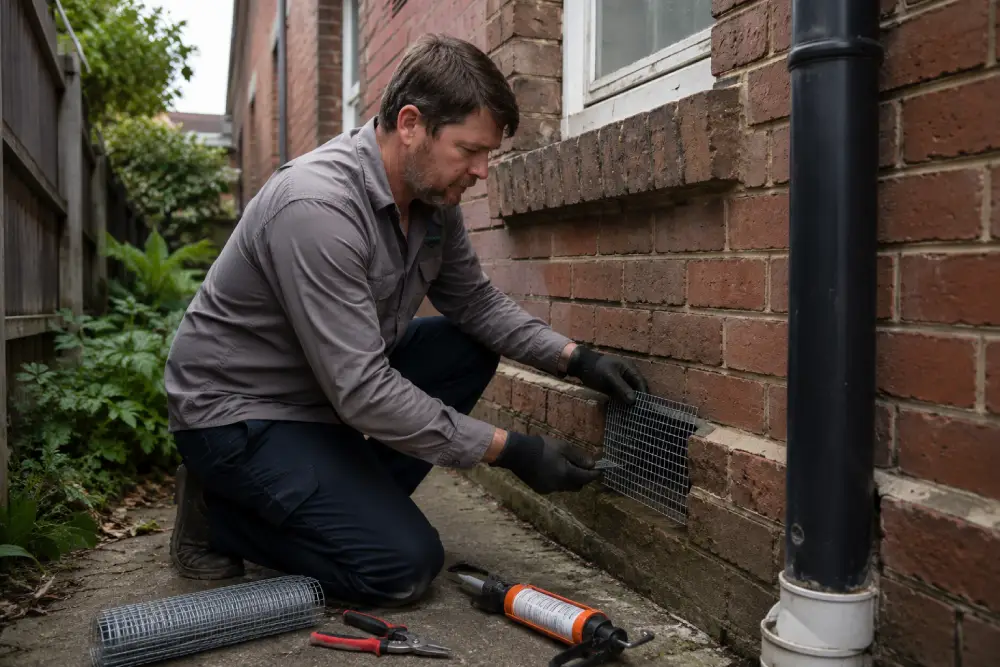
Exclusion is sealing the entry points so mice can’t get back in. It matters because killing mice without sealing access leads to repeat infestations.

In Sydney, common entry points include weep holes, gaps around air-conditioning lines, broken vents, garage door corners, and poorly sealed pipes under sinks. Quality exclusion uses rodent-proof materials like steel mesh and durable sealants, not soft foam alone. For long-term mice removal Sydney outcomes, exclusion is often the deciding factor.

How do they compare costs across different mice removal approaches?

DIY can be cheaper upfront, while professional services often reduce long-term repeat costs. They should compare total cost over three to six months, not just the first receipt.

DIY costs add up through repeated trap purchases, bait refills, and time spent monitoring. Professional costs vary depending on property size, infestation severity, and whether exclusion is included. When comparing mice removal Sydney quotes, they should ask what’s included: inspection, number of stations, follow-ups, and any warranty terms.

What questions should they ask a Sydney pest controller before booking?

They should ask what method will be used, how safety is managed, and what follow-up looks like. Clear answers usually indicate a more professional service.

Useful questions include: Are they licensed in NSW? Will they provide a written plan? Do they include exclusion advice or onsite sealing? What are the risks for pets? How long until activity should drop? What happens if mice return? For mice removal Sydney bookings, transparency on process and aftercare matters as much as price.

How can strata apartments and townhouses handle mice differently?

They need a coordinated approach because mice can move through shared walls, service risers, and basement areas. Treating one unit alone may not solve building-wide activity.

In Sydney apartment blocks, the source can be bin rooms, loading docks, or gaps around plumbing stacks. They should report activity to strata early and request a building inspection if multiple residents notice signs. Effective mice removal Sydney in strata settings often includes common-area baiting, sealing in service rooms, and unit-level exclusion.

What role do hygiene and food storage play in stopping reinfestation?

They reduce attraction, which lowers pressure on traps and baiting. Without hygiene changes, mice keep returning to reliable food sources.

They should store dry goods in sealed containers, keep pet food in lidded tubs, and clean under appliances where crumbs collect. Outdoor factors matter too, including fallen fruit, open compost, and accessible chicken feed. For lasting mice removal Sydney results, hygiene is the easiest step that many households underestimate.

Comparing Your Options for Mice Removal Sydney

How do they deal with dead mouse odour and cleanup safely?

They should treat droppings and carcasses as contamination risks and clean using safe, controlled steps. Sweeping dry droppings can aerosolise particles, so they should avoid it.

They can ventilate the area, wear gloves and a mask, and use disinfectant before wiping. Waste should be bagged securely and disposed of properly. If an odour suggests a carcass is hidden inside a wall or ceiling, they may need professional help to locate and remove it safely. Many mice removal Sydney providers can also advise on cleanup procedures or coordinate remediation when required. Homeowners can follow rodent cleanup and prevention tips to reduce health risks and prevent future infestations.

Which option is best for fast results in an active infestation?

Professional treatment combined with targeted trapping is usually the fastest. DIY can work, but it often takes longer to identify runways and nesting zones.

If mice are seen in daylight, activity is typically high and rapid reduction becomes the priority. A professional can place stations in roof voids and subfloor zones more safely and effectively, then guide exclusion and hygiene steps. For urgent mice removal Sydney scenarios, speed usually comes from a structured plan, not more bait.

How do they choose the right mice removal option for their Sydney property?

They choose based on infestation size, safety needs, and how confident they are sealing entry points. A small, contained issue may suit DIY, while ongoing activity usually needs professional help.

As a simple rule, they can start DIY if activity is light and they can seal obvious gaps. If signs persist, spread, or involve ceilings and walls, a licensed service is a better fit. Comparing mice removal Sydney options comes down to one goal: stop current activity and block the next wave.

July 29, 2026

How Much Does Pest Exterminator Sydney Cost?

Filed under: Rodent Control & Prevention — Adam Tudawali @ 12:24 pm

They will get the clearest number by matching the pest problem to the right treatment method, then confirming inclusions like follow-up visits, warranties, and reporting.

What is the typical pest exterminator Sydney cost in 2026?

A typical pest exterminator Sydney cost in 2026 often falls in the mid-hundreds for common household pests, with higher pricing for complex infestations. Many Sydney providers price by pest category and property type rather than a single flat rate.

They should expect the quote to change if the pest is harder to access, requires multiple visits, or needs specialised products and monitoring.

What factors change pest exterminator Sydney cost the most?

The biggest drivers of pest exterminator Sydney cost are pest species, infestation severity, and how many areas require treatment. Labour time and safety requirements also matter, especially in strata buildings and older homes.

They can also see price differences based on urgency, after-hours attendance, and whether the service includes a warranty, follow-up, or a prevention plan.

How much does a pest exterminator Sydney cost for cockroaches?

For cockroaches, pest exterminator Sydney cost is usually lower than termites or rodents because treatment is often completed in one visit. Kitchens, laundries, and warm wet areas commonly need targeted gel baits, sprays, and crack-and-crevice work.

They should ask whether the service includes a re-treat window, because recurring activity can happen if neighbouring units or shared bin rooms are contributing to the problem.

How much does a pest exterminator Sydney cost for ants?

Ant treatments are often priced similarly to cockroaches, but cost can rise if nests are outdoors, under pavers, or spread across multiple entry points. The treatment choice can include baits, non-repellent products, and perimeter work.

They will get better value when the provider identifies the species and nesting zone rather than only treating the visible trail.

How much does a pest exterminator Sydney cost for spiders?

Spider treatments in Sydney often focus on exterior eaves, garages, sheds, and entry points. Pricing can be modest for a standard perimeter spray and web removal, but higher for large properties or heavy harbourage. Homeowners can also review a spider prevention and control guide to understand common treatment areas, maintenance tips, and ways to reduce future spider activity around the property.

They should confirm whether wasps, webbing, and egg sacs are included, and whether the product is designed to provide ongoing residual protection.

How much does a pest exterminator Sydney cost for rodents?

Rodent jobs can cost more because they often need multiple return visits, bait station monitoring, and exclusion advice. Roof voids, subfloors, and wall cavities take time to assess, and safety considerations apply around pets and children.

They should check if the quote includes follow-up checks, trap resets, and disposal, as those items can change total spend quickly.

How much does a pest exterminator Sydney cost for termites?

Termites are usually the highest category because they may require inspection, mapping, and ongoing management. In Sydney, termite work can range from targeted treatments to full barrier systems, depending on construction and soil conditions.

They should confirm whether the price includes an inspection report, a treatment certificate where relevant, and how long any warranty lasts.

How much does a pest exterminator Sydney cost for bed bugs?

Bed bug work is commonly priced higher than general pests because it is labour-intensive and may involve multiple rooms, repeated visits, and detailed preparation steps. Treatments can include chemical applications, heat, or combined methods depending on the provider.

They should ask what preparation is required for bedding, clothing, and soft furnishings, because missed steps can increase the chance of reinfestation.

What’s the pest exterminator Sydney cost for general pest control packages?

A general package often bundles common pests like cockroaches, ants, spiders, and silverfish with an interior and exterior treatment. This can be cost-effective if they are seeing activity across several pests rather than a single issue.

They should check the list of covered pests and whether fleas, mosquitoes, or rodents are excluded unless added as an extra.

Does property size and type affect pest exterminator Sydney cost?

Yes, property size and layout can significantly affect pest exterminator Sydney cost because larger homes take longer to treat and inspect. Apartments may be quicker inside, but access rules, basement car parks, bin rooms, and shared walls can complicate the job. A property pest inspection checklist can also help owners understand key areas that need attention and prepare for more accurate treatment assessments.

They should mention storeys, subfloor access, roof access, and whether the building is strata-managed to avoid surprise add-ons.

Is pest exterminator Sydney cost higher for urgent or same-day bookings?

Urgent bookings can raise pest exterminator Sydney cost due to technician availability and scheduling pressure. After-hours, weekends, and public holidays can also attract surcharges.

They can often reduce the premium by booking the next available standard slot, unless the pest presents a safety risk or rapid spread problem such as rodents in food areas.

What should be included in a fair quote?

A fair quote should clearly list the target pest, the areas treated, the product type, and whether follow-ups are included. It should also state any warranty period and what conditions apply, especially in apartments where reinfestation can come from nearby lots.

They should also look for transparency on call-out fees, inspection fees, and whether GST is included in the final number.

How can they reduce pest exterminator Sydney cost without risking poor results?

They can reduce pest exterminator Sydney cost by choosing the correct service rather than the cheapest advertised option. Good preparation, clear access to problem areas, and providing accurate details upfront can reduce labour time.

They should also ask about prevention steps like sealing gaps, improving ventilation, and managing waste storage, since those changes can reduce repeat treatments.

How Much Does Pest Exterminator Sydney Cost?

Is a cheap deal always a better pest exterminator Sydney cost?

Not always, because a low upfront pest exterminator Sydney cost can become expensive if it excludes follow-ups, uses weaker methods, or fails to address the source. Some “spray-only” jobs look affordable but don’t last when harbourage and entry points remain.

They should compare quotes based on scope, products, visit count, and warranty terms, not just the headline number.

How do they choose the right provider in Sydney?

They should choose a provider who explains the plan clearly, provides a written quote, and sets realistic expectations about timelines and re-treatment. In Sydney, it also helps when the technician understands local building types, including terrace homes, brick veneers, and strata apartments. A mice control service comparison guide can help homeowners evaluate treatment options, compare provider experience, and select a solution that matches their property’s specific rodent issues.

They can ask for evidence of licensing, insurance, and whether the provider supplies a service report that documents what was treated and why.

What’s the bottom line on pest exterminator Sydney cost?

The right pest exterminator Sydney cost is the one that matches the pest, includes the work they actually need, and reduces the chance of repeat call-outs. In Sydney, pricing varies widely, so a clear scope and inclusions list is what makes quotes comparable.

They will get the best outcome by confirming the pest type, asking what’s included, and choosing a service built for their property and risk level.

May 29, 2026

Top 5 F17 Grade Plywood Checks for Safer Property and Construction Decisions

Filed under: Building Materials & Quality Standards — Adam Tudawali @ 4:03 am

What does an F-grade stamp actually confirm for F17 grade plywood?

An F-grade stamp confirms stress grade, which relates to structural capacity, not surface appearance. For F17 grade plywood, the stamp should indicate the product has been graded for structural use to the relevant timber standard and manufacturer system.

That means fewer repeated briefings, fewer “version confusion” moments, and faster decision-making at the point of work. In practice, it supports a steadier flow of labour, materials, and inspections. For projects requiring dependable reinforcement products, explore site mesh options at https://covertprocurement.com.au/product/plywood-formwork/ to support efficient construction operations.

F17 Grade Plywood

Is the plywood certified, traceable, and compliant for F17 grade plywood?

Certification and traceability reduce the chance of mixed batches and substitution. For F17 grade plywood, they should look for markings and paperwork that link the sheets back to a recognised mill, batch, and applicable standards.

They should ask the supplier for documents such as a certificate of conformity, test summaries, or grading documentation. If they cannot provide traceable evidence, the F17 grade plywood may still be usable, but proving suitability later can be difficult.

Are thickness, sheet size, and tolerance consistent on F17 grade plywood?

Consistency affects structural behaviour and installation quality. With F17 grade plywood, they should measure multiple sheets from different parts of the pack to confirm the stated thickness is reliable and edges are square. Learn more about choosing F17 grade plywood to understand the importance of dimensional accuracy and quality control in structural applications.

They should also check for noticeable cupping, twist, or edge damage that can change how loads transfer through fixings and supports. Even if the stamp reads F17 grade plywood, poor dimensional consistency can create avoidable site issues. “

F17 Grade Plywood

Does the bond class and moisture suitability match how F17 grade plywood will be used?

The glue line matters as much as the timber grade. For F17 grade plywood, they should confirm the bond classification and intended exposure conditions, especially where humidity, wet trades, or external exposure are involved.

They should also match storage and acclimatisation to the site environment. A sheet labelled F17 grade plywood can still fail early if it is installed wet, stored poorly, or used in an exposure level it was not designed to handle.

Are the face, core, and defects acceptable for structural performance in F17 grade plywood?

Structural plywood can include defects, but they must be controlled. For F17 grade plywood, they should inspect faces for splits and patches, then check edges for voids and core gaps that may weaken fixings.

They should also look for delamination signs such as bubbling or lifted veneers near edges. If defects are widespread, they should treat the batch cautiously, even if it is sold as F17 grade plywood, because local weaknesses can compromise performance.

How can they quickly cross-check supplier claims for F17 grade plywood?

A quick cross-check is to compare the stamp, pack labels, and paperwork, then spot-check sheets for consistency. If any element conflicts, they should pause and clarify before installation of F17 grade plywood.

They should also record photos of stamps and delivery labels for their project file. This makes it easier to defend decisions if questions arise later about whether the installed F17 grade plywood matched the specification.

F17 Grade Plywood

Summary: what are the top 5 checks for F17 grade plywood?

They should focus on five checks: grade stamp clarity, certification and traceability, dimensional consistency, bond and moisture suitability, and defect limits. Performing these assessments early helps improve quality control and reduce project risks. Click here to explore construction compliance workflows and see why they matter for productive, compliant construction projects.

When they document each step and verify supplier claims, F17 grade plywood becomes a straightforward, defensible choice rather than a guessing game.

May 25, 2026

Site Mesh: Top 7 Reasons It Matters for Productive, Compliant Construction Projects

Filed under: Construction Safety & Site Management — Adam Tudawali @ 4:03 am

Below are seven practical reasons Site Mesh is often a key enabler for smooth delivery, especially on busy, multi-trade projects.

Why does Site Mesh reduce day-to-day coordination delays?

Site Mesh helps teams share updates in near real time, so fewer tasks stall while someone waits for clarification. When supervisors, subcontractors, and plant operators can access the latest information on site, they spend less time chasing answers.

That means fewer repeated briefings, fewer “version confusion” moments, and faster decision-making at the point of work. In practice, it supports a steadier flow of labour, materials, and inspections. Click here for site mesh solutions that help support reinforcement requirements and maintain smooth construction workflows.

Site Mesh

How does Site Mesh improve safety communication and incident response?

Site Mesh strengthens safety communication by making it easier to distribute alerts, method statements, and immediate changes to site conditions. When hazards emerge, speed matters, and connected teams can respond sooner.

It also supports better reporting habits. If workers can quickly submit photos or notes from the field, safety teams can triage issues faster and document corrective actions more consistently.

Can Site Mesh support compliance documentation and audit readiness?

Site Mesh supports compliance by helping teams capture, store, and retrieve proof of work without relying on fragmented personal devices or informal channels. When documentation is easier to collect, it is more likely to be complete. Organisations adopting Site Mesh compliance management solutions can improve record-keeping consistency and strengthen audit readiness.

During audits, missing evidence is a common problem. With Site Mesh, project teams can keep clearer records of checks, sign-offs, and communications that demonstrate due process.

How does Site Mesh help manage quality control and rework?

Site Mesh can reduce rework by improving access to the current drawings, specifications, and snag lists where the work is happening. When teams build to the right information first time, quality improves and waste falls.

It also helps quality managers close loops faster. Photos, punch items, and confirmations can be shared quickly, which shortens the gap between identifying an issue and fixing it correctly.

Site Mesh

Why does Site Mesh matter for programme certainty and productivity?

Site Mesh supports programme certainty by reducing the small, frequent delays that add up across a project. When trades can coordinate deliveries, access constraints, and sequence changes quickly, daily output becomes more predictable.

That predictability makes planning more realistic. Foremen can brief crews with fewer unknowns, and project managers can spot blockers earlier rather than after productivity has already slipped.

How can Site Mesh improve subcontractor collaboration on complex sites?

Site Mesh helps subcontractors work from a shared operational picture, which is vital when multiple trades overlap in tight spaces. Coordination improves when everyone can confirm logistics, temporary works status, and access routes without delay.

It also reduces friction. Clearer, faster communication makes it easier to agree responsibilities, avoid duplicated effort, and keep handovers clean between teams.

Does Site Mesh help with client reporting and stakeholder confidence?

Site Mesh can improve reporting by making it easier to gather progress evidence and communicate status with less manual effort. When updates are consistent and backed by on-site information, reporting becomes more credible.

That credibility supports confidence. Clients and stakeholders generally trust projects more when teams can show completed work, upcoming tasks, and actively managed risks using Site Mesh. For further guidance on plywood quality checks, visit https://andys-andyshowto.com/top-5-f17-grade-plywood-checks-for-safer-property-and-construction-decisions/.

Site Mesh

What is the simplest way to decide if Site Mesh is worth it?

If a project suffers from weak connectivity, slow approvals, inconsistent records, or repeated rework from miscommunication, Site Mesh is usually worth evaluating. The value tends to show up in fewer delays, clearer compliance evidence, and smoother coordination across trades.

For productive, compliant delivery, Site Mesh often becomes less of a “nice to have” and more of a practical foundation for how modern sites operate.

Older Posts »

Powered by WordPress